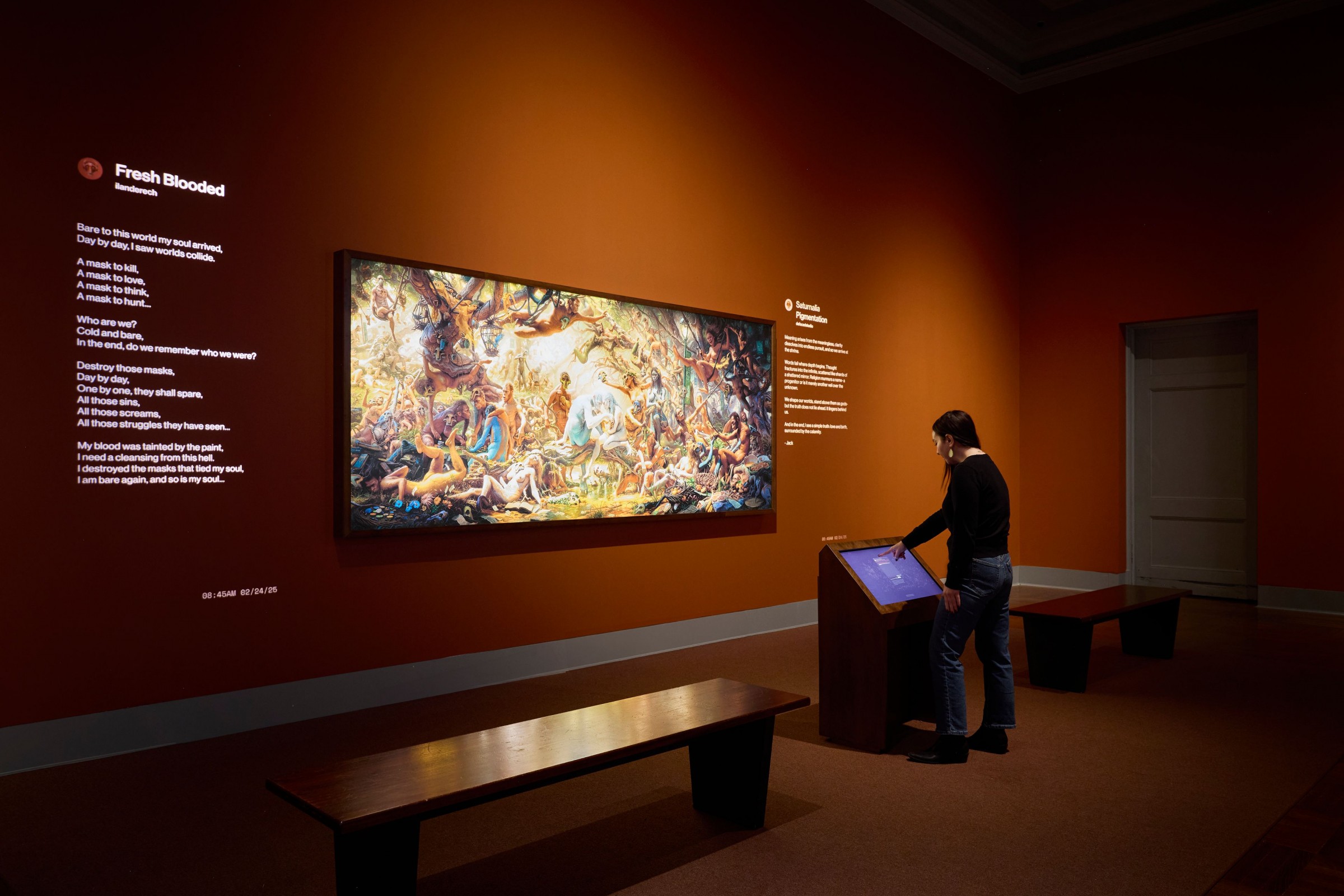
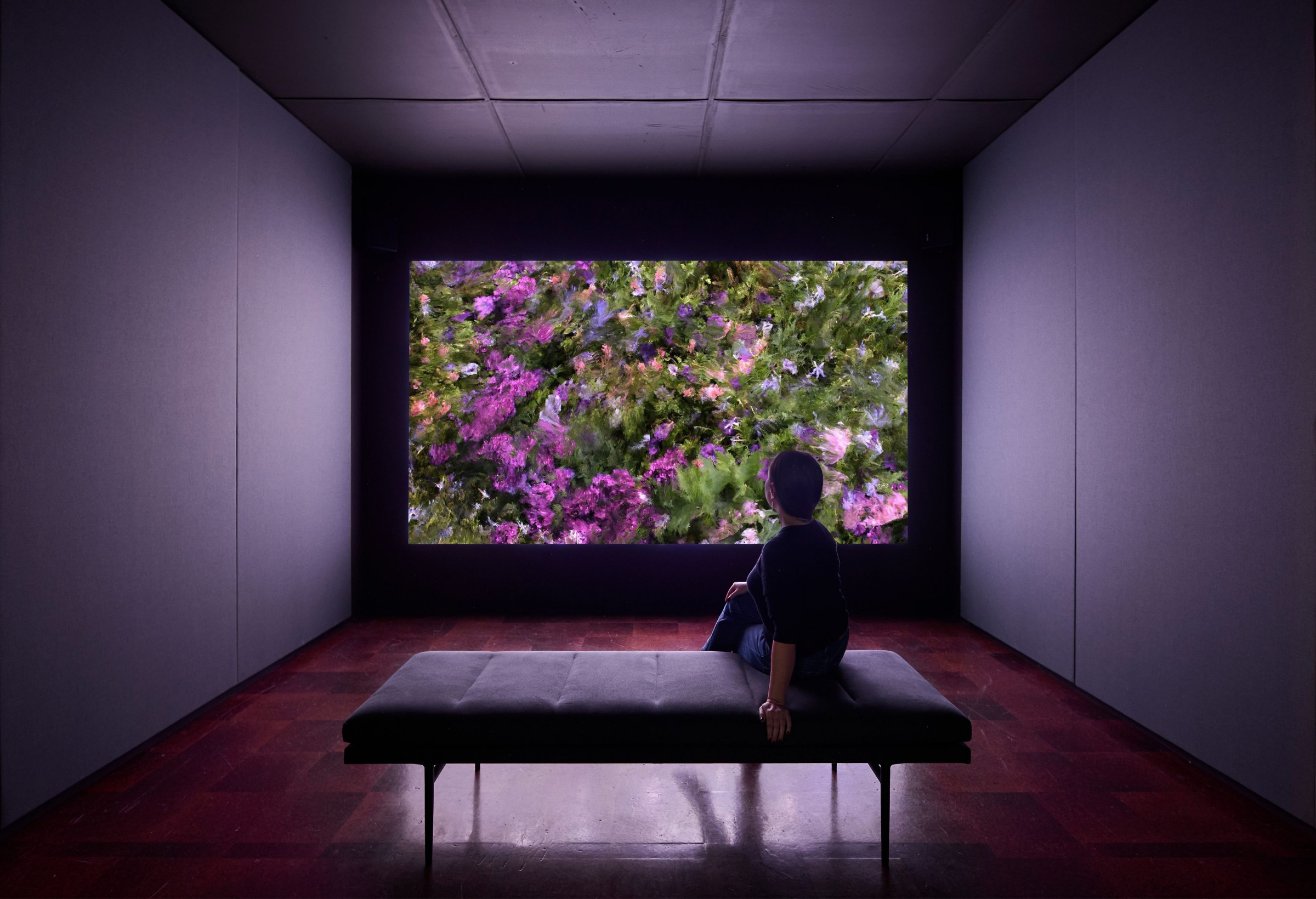
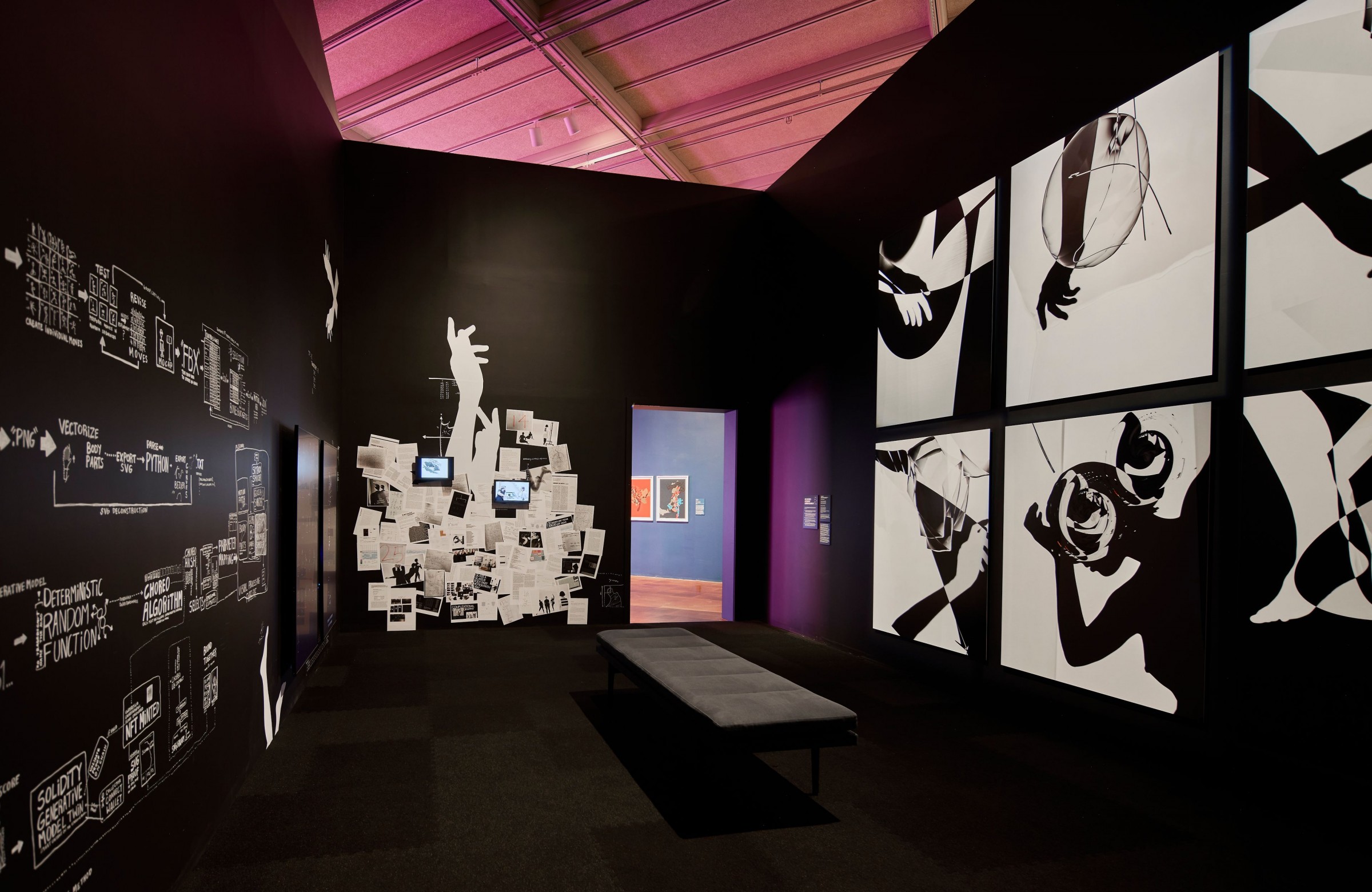
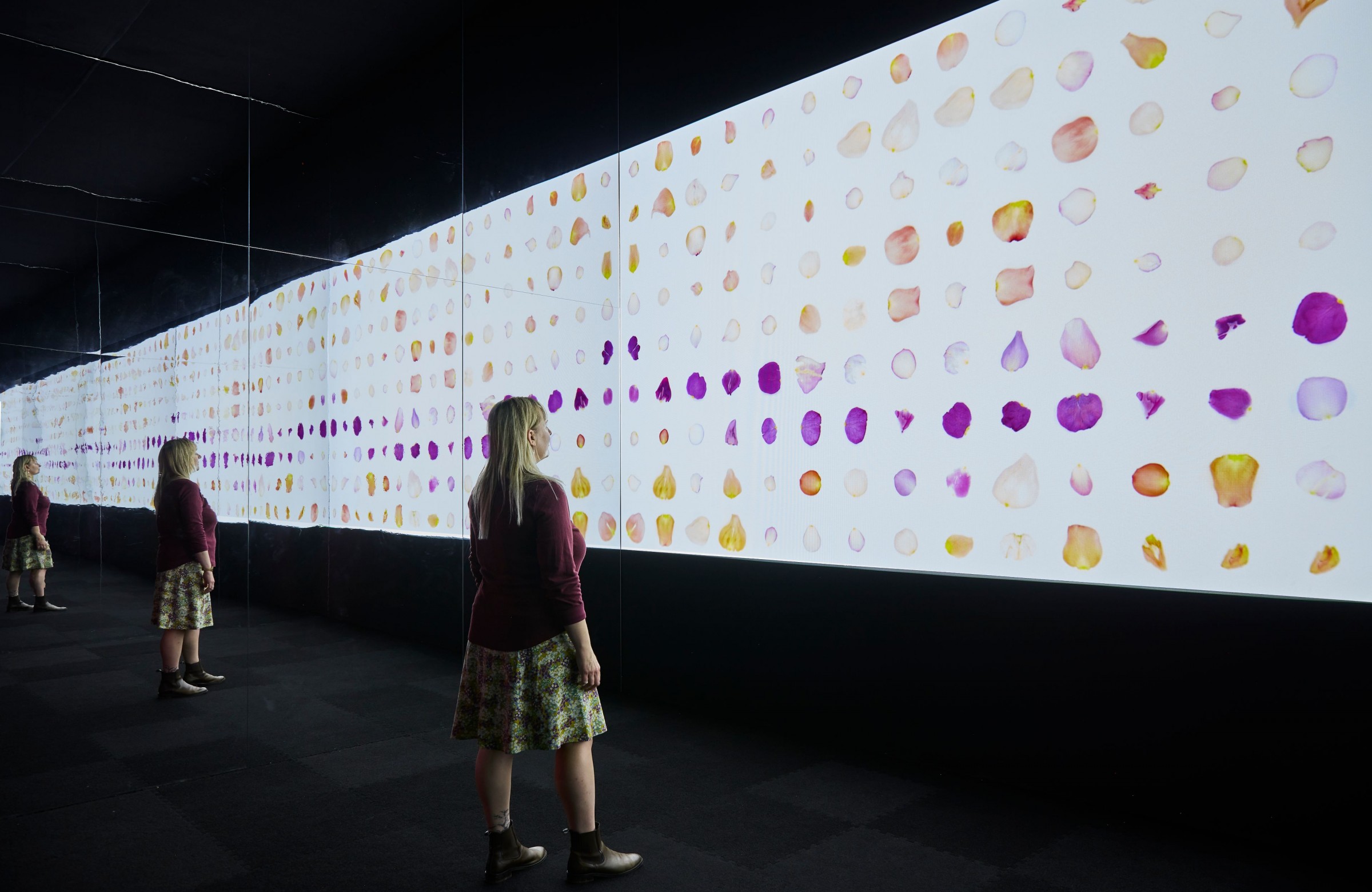
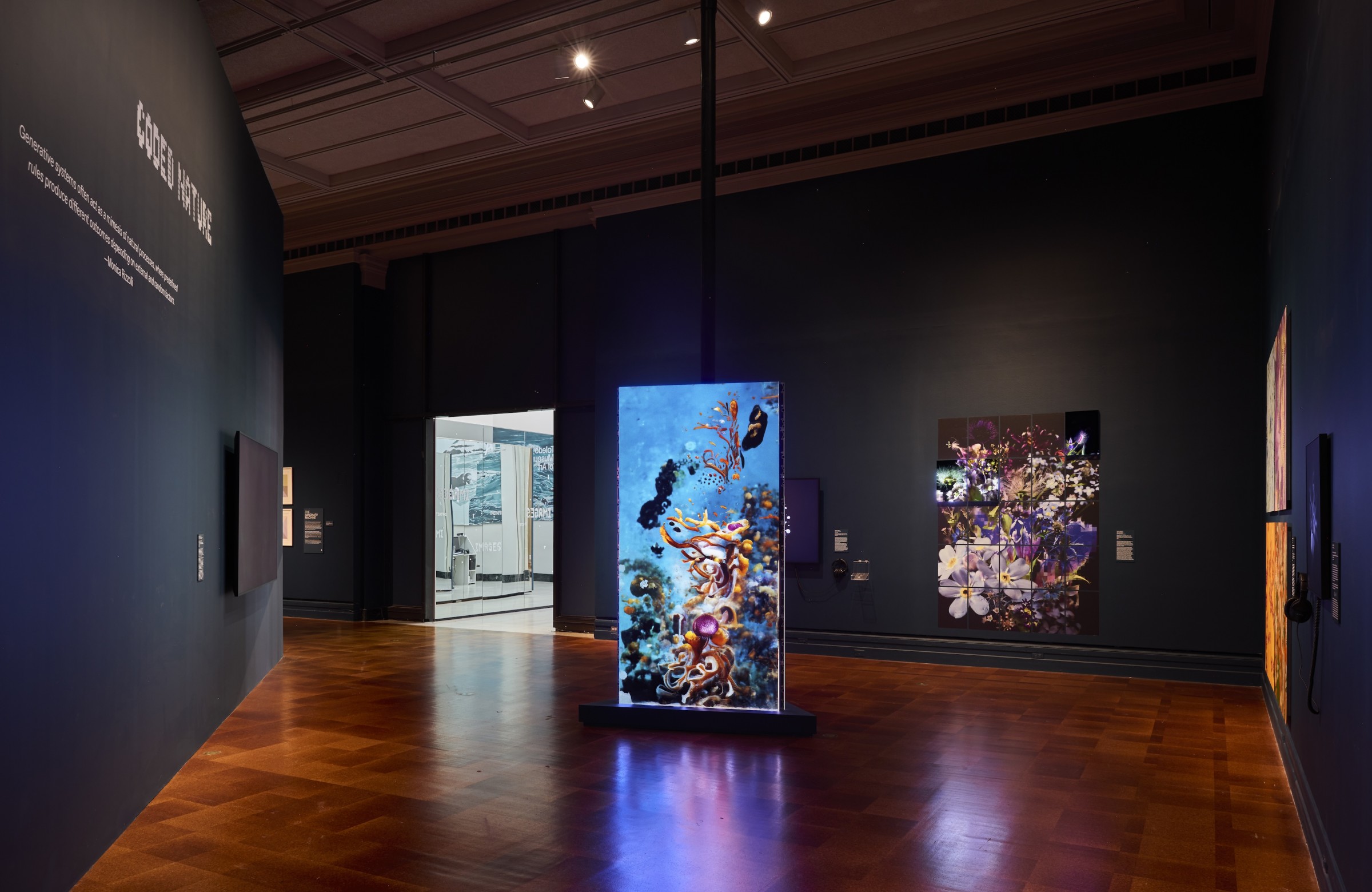
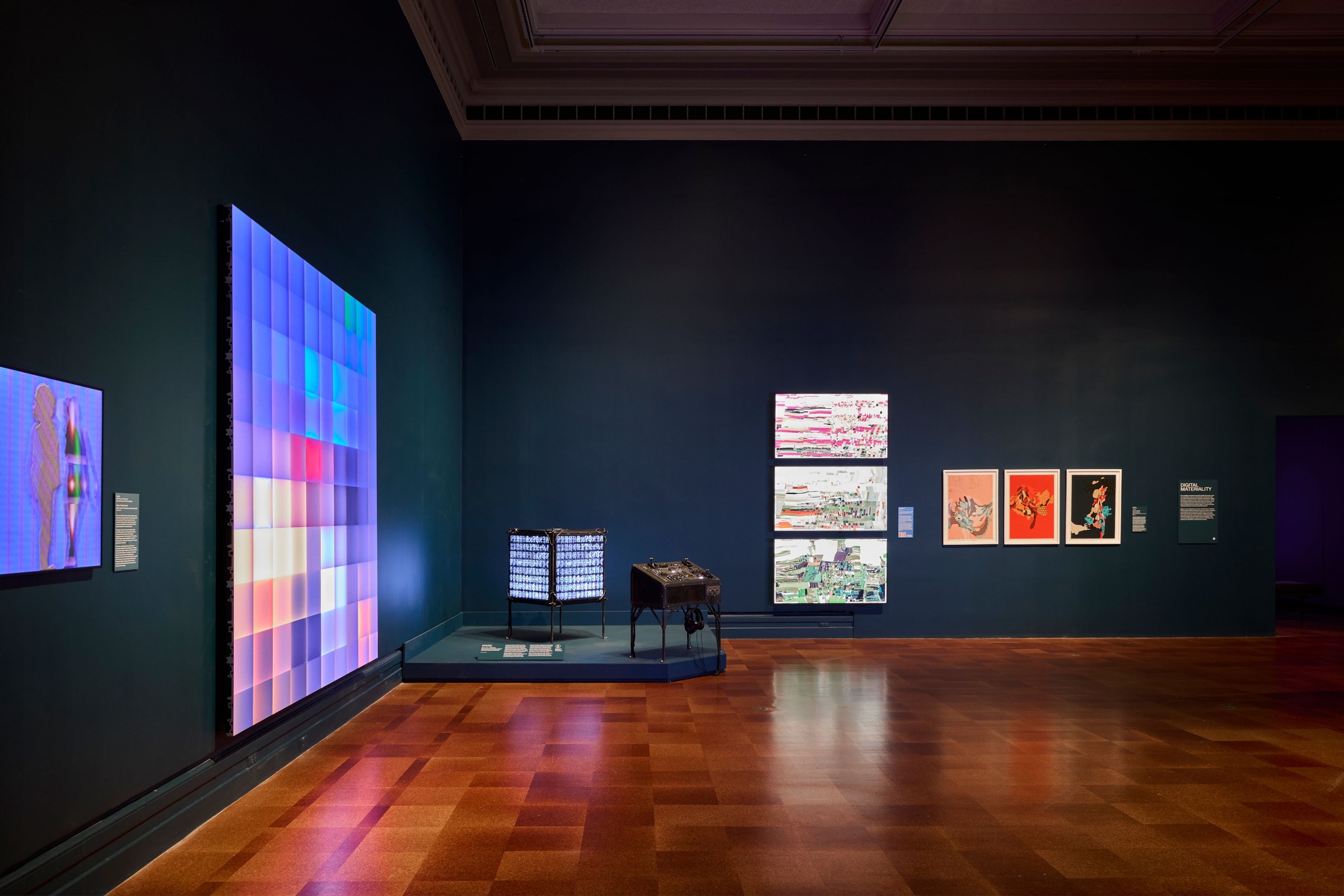
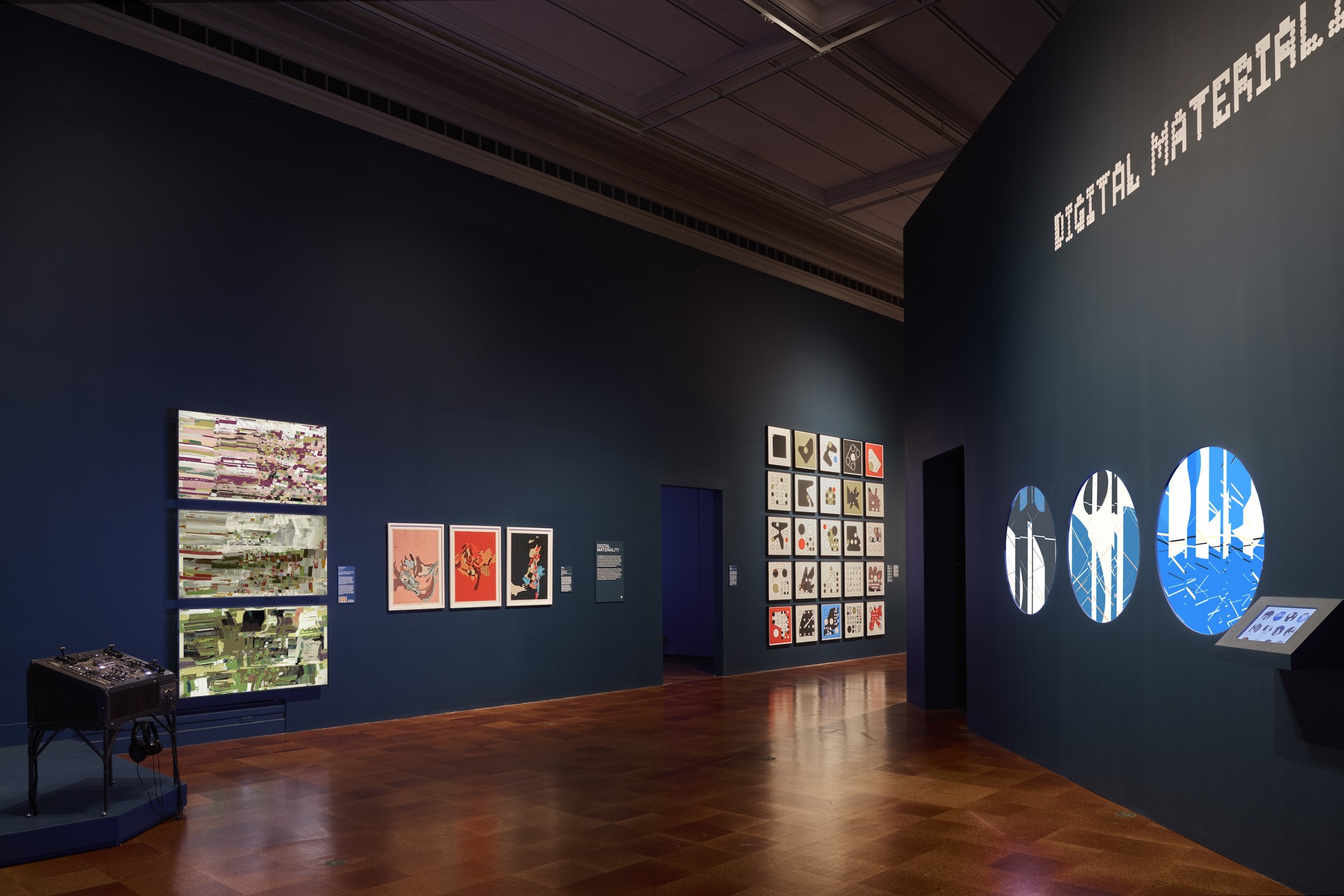
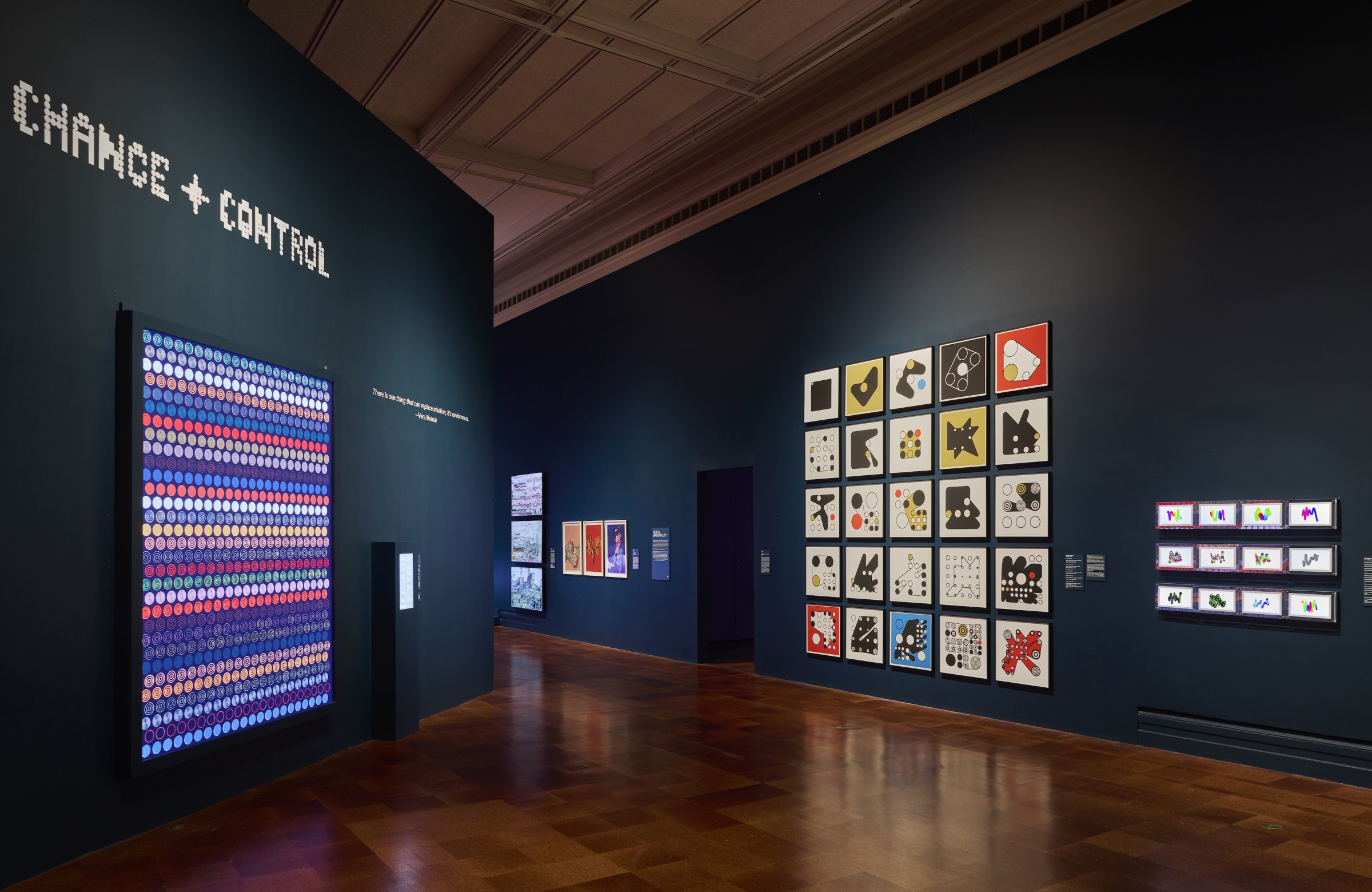
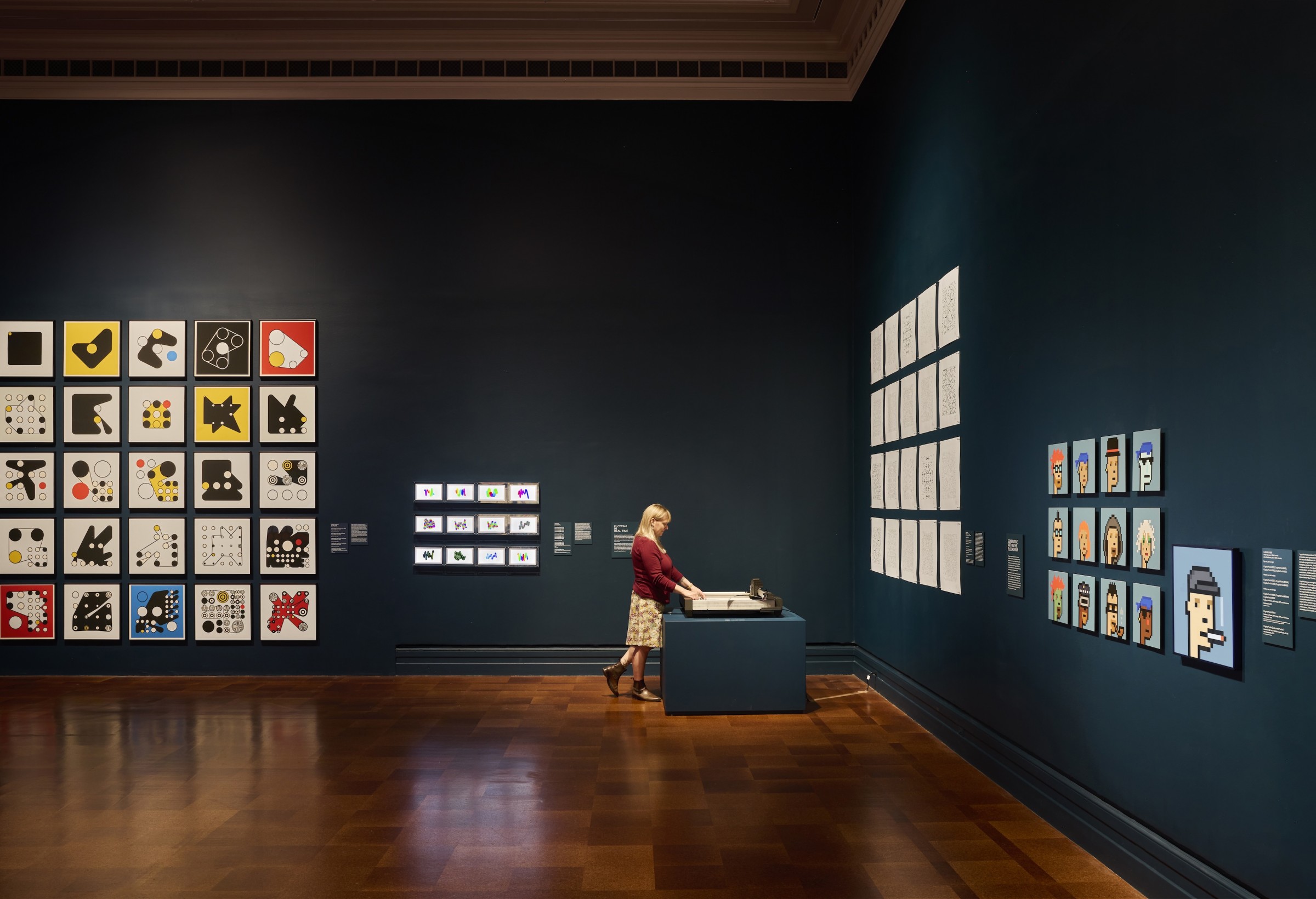
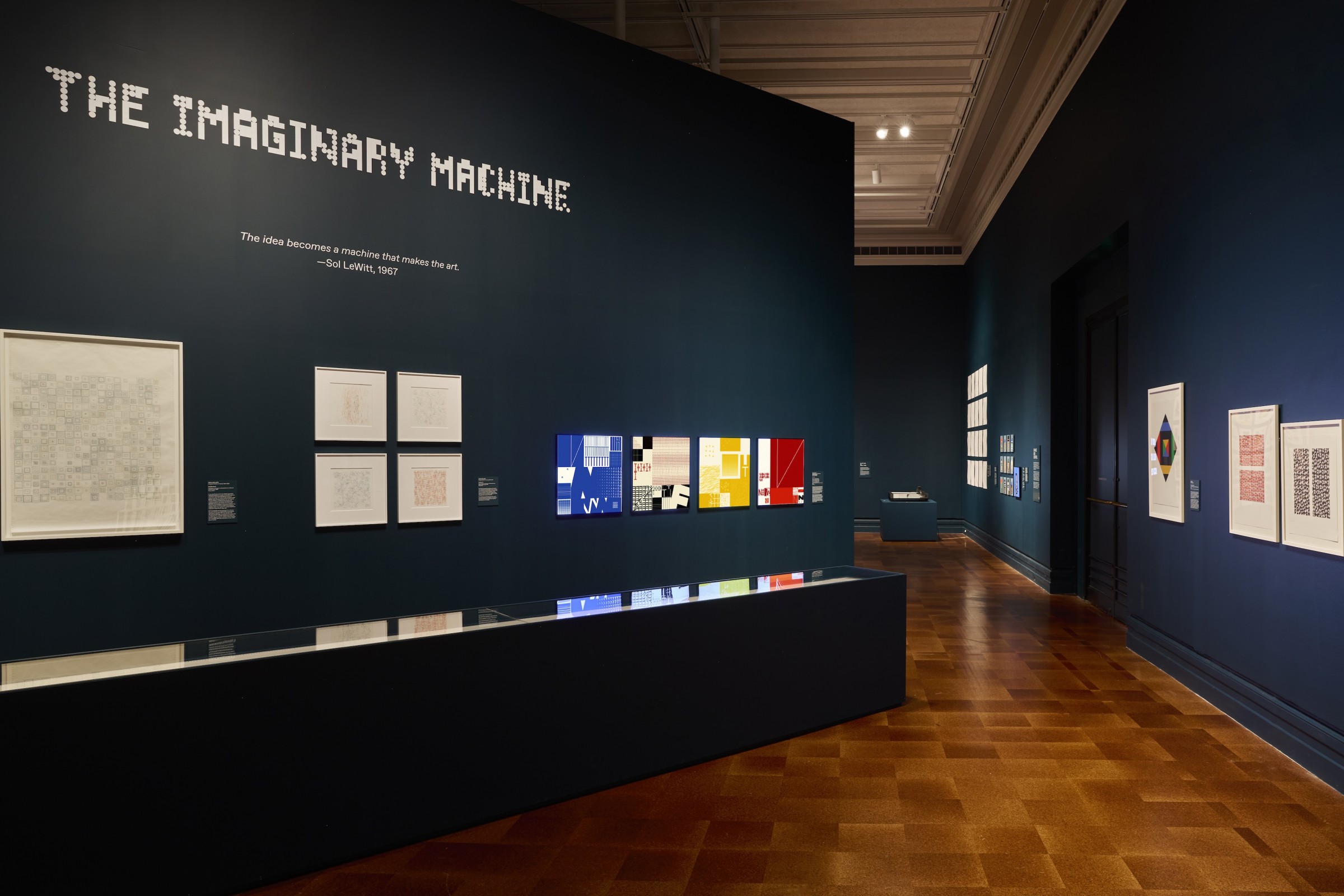
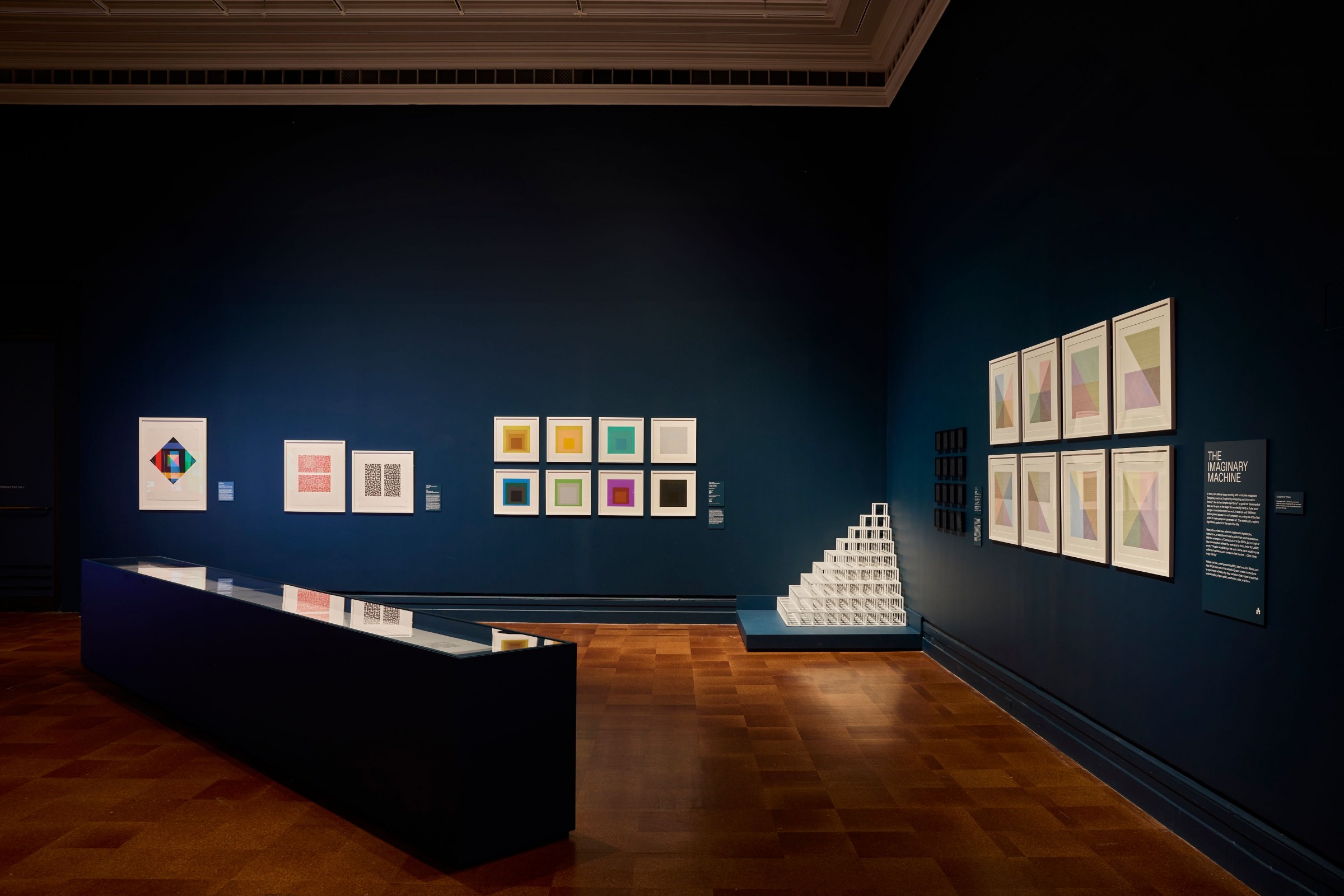
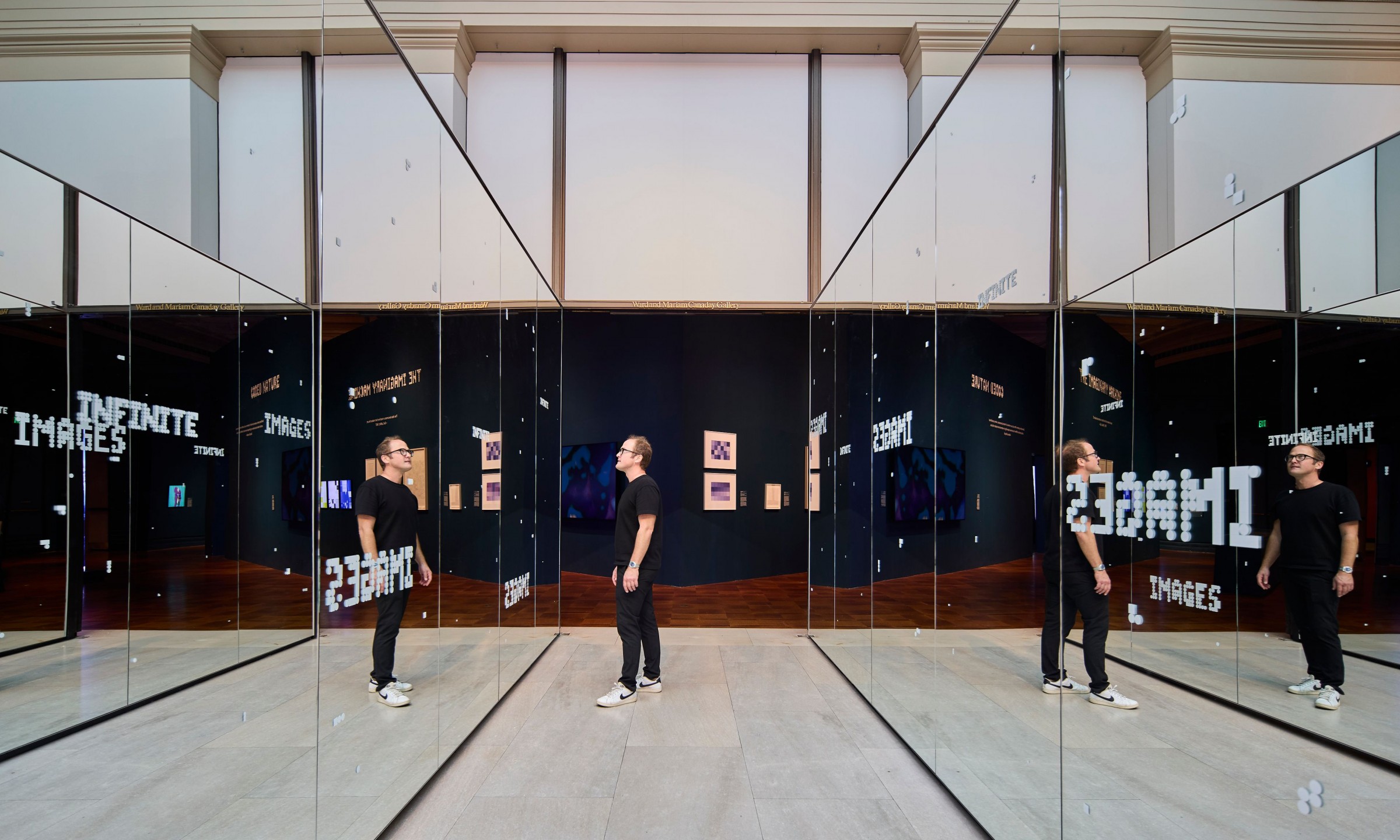
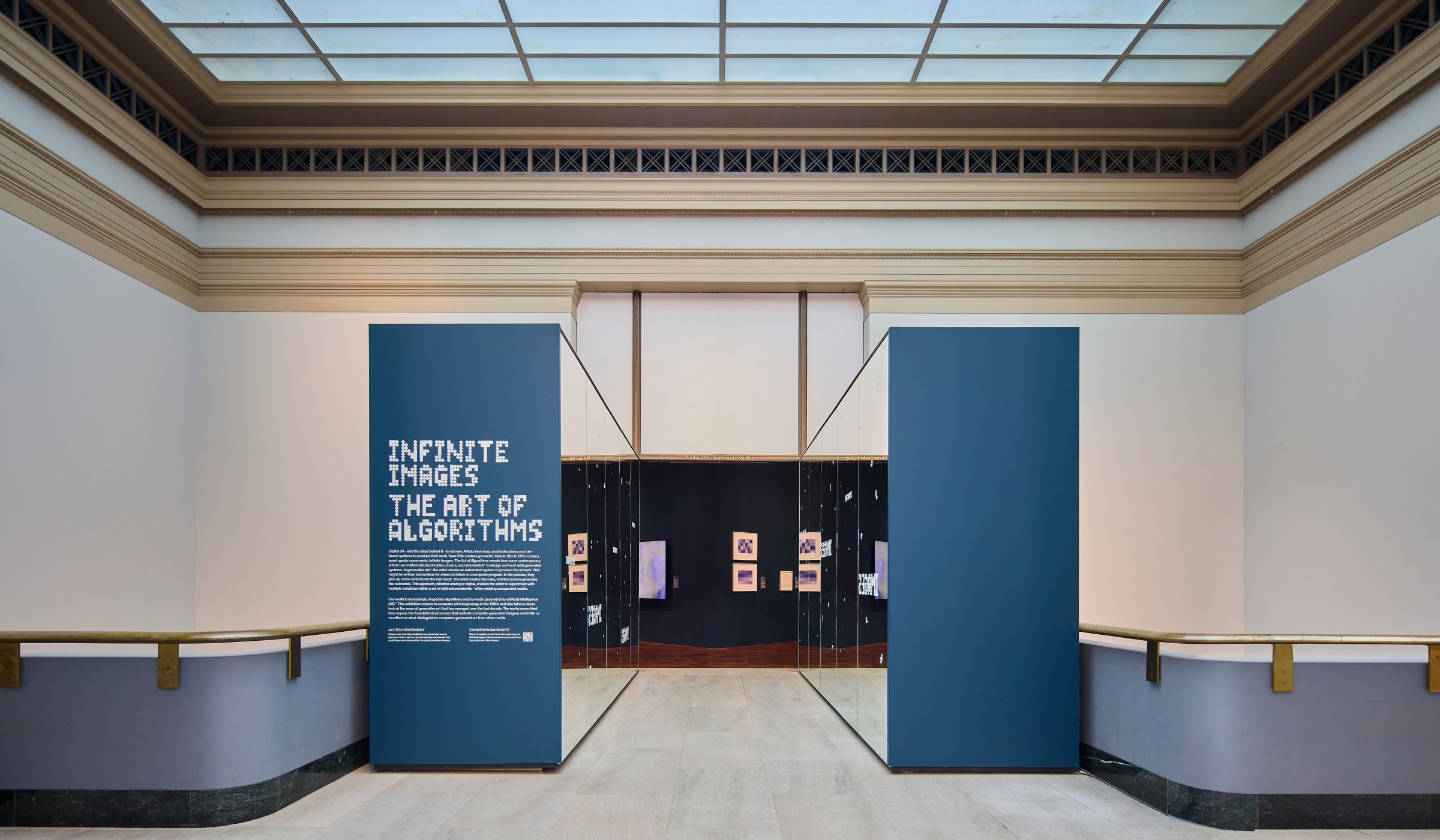
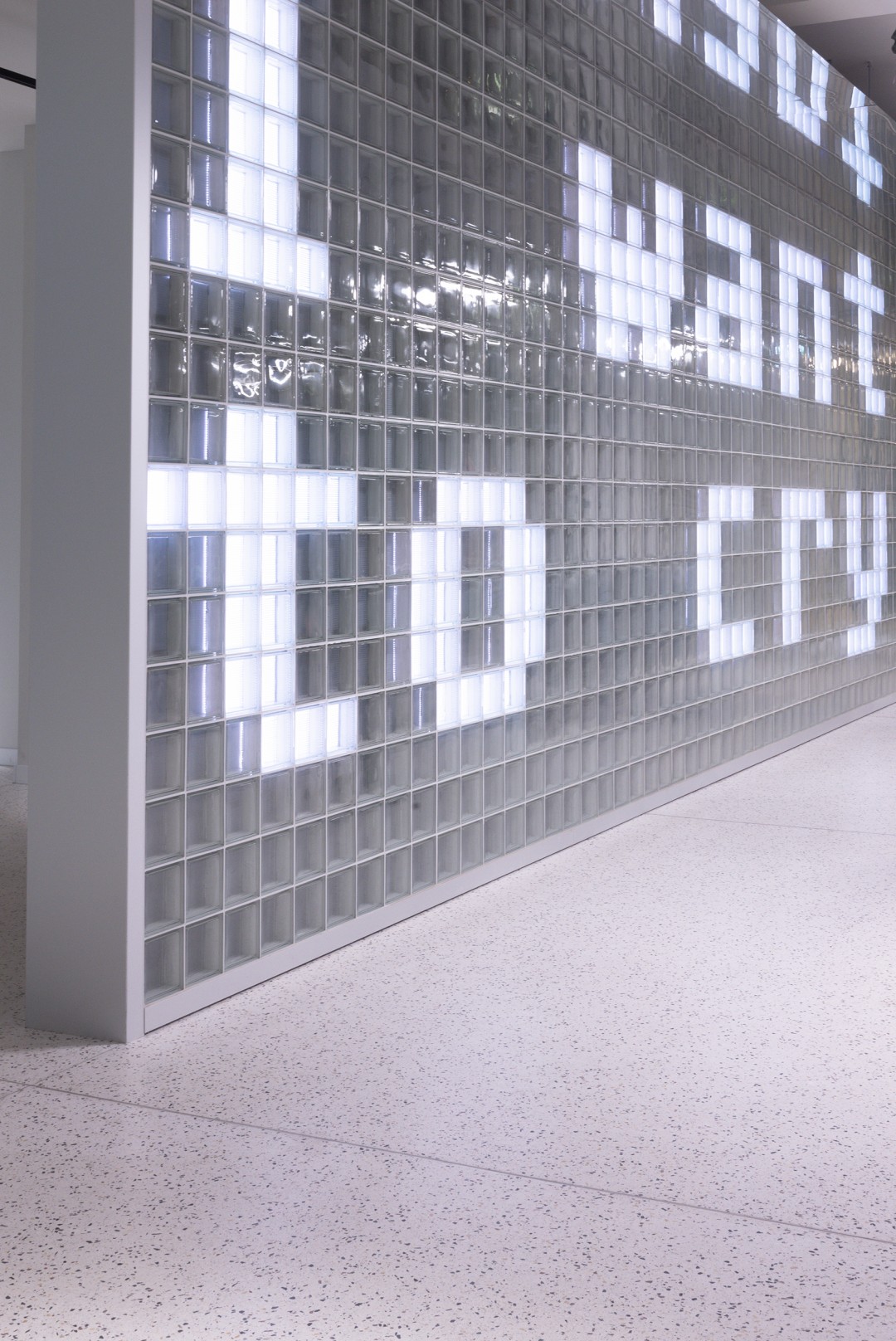
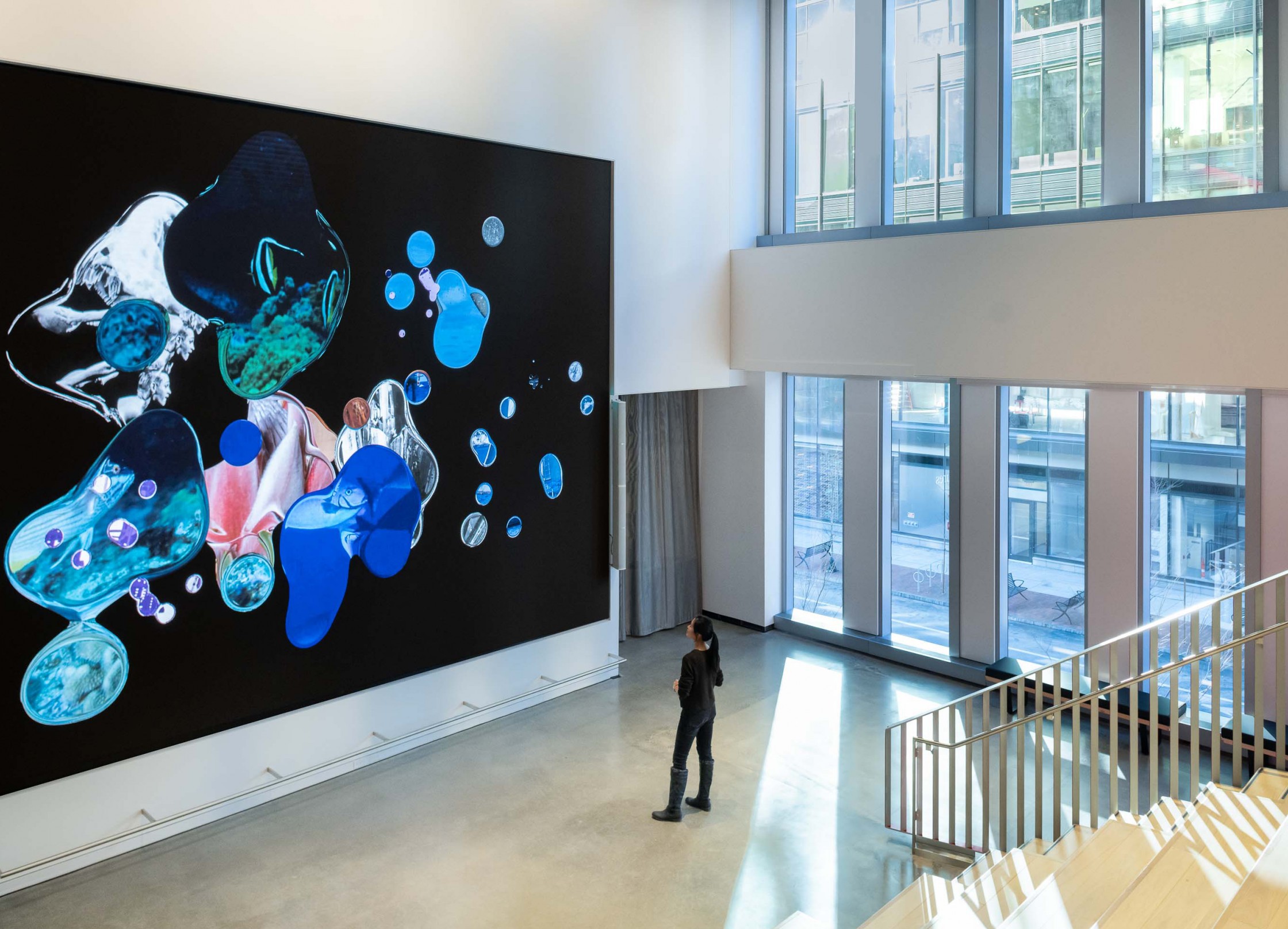
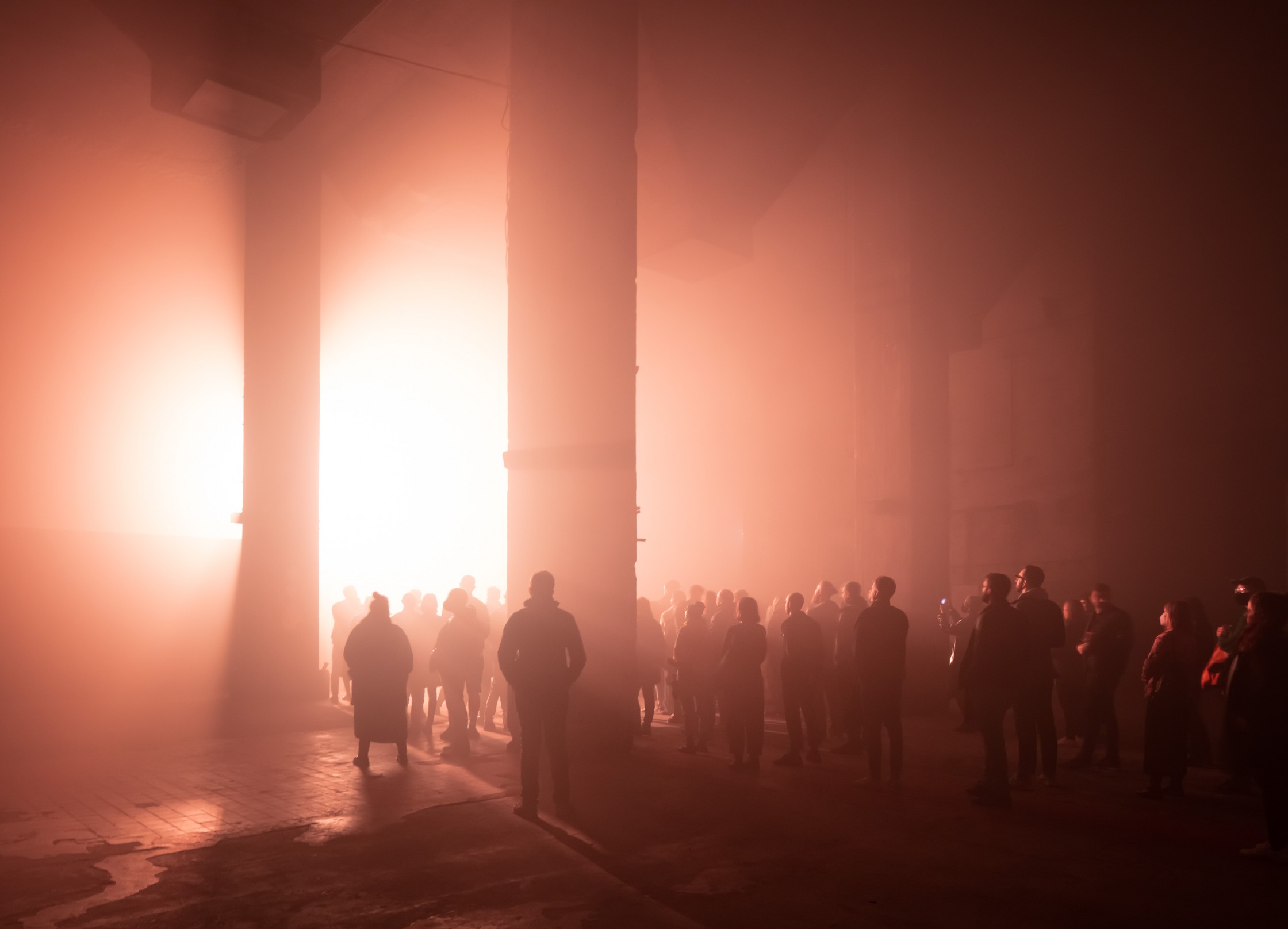
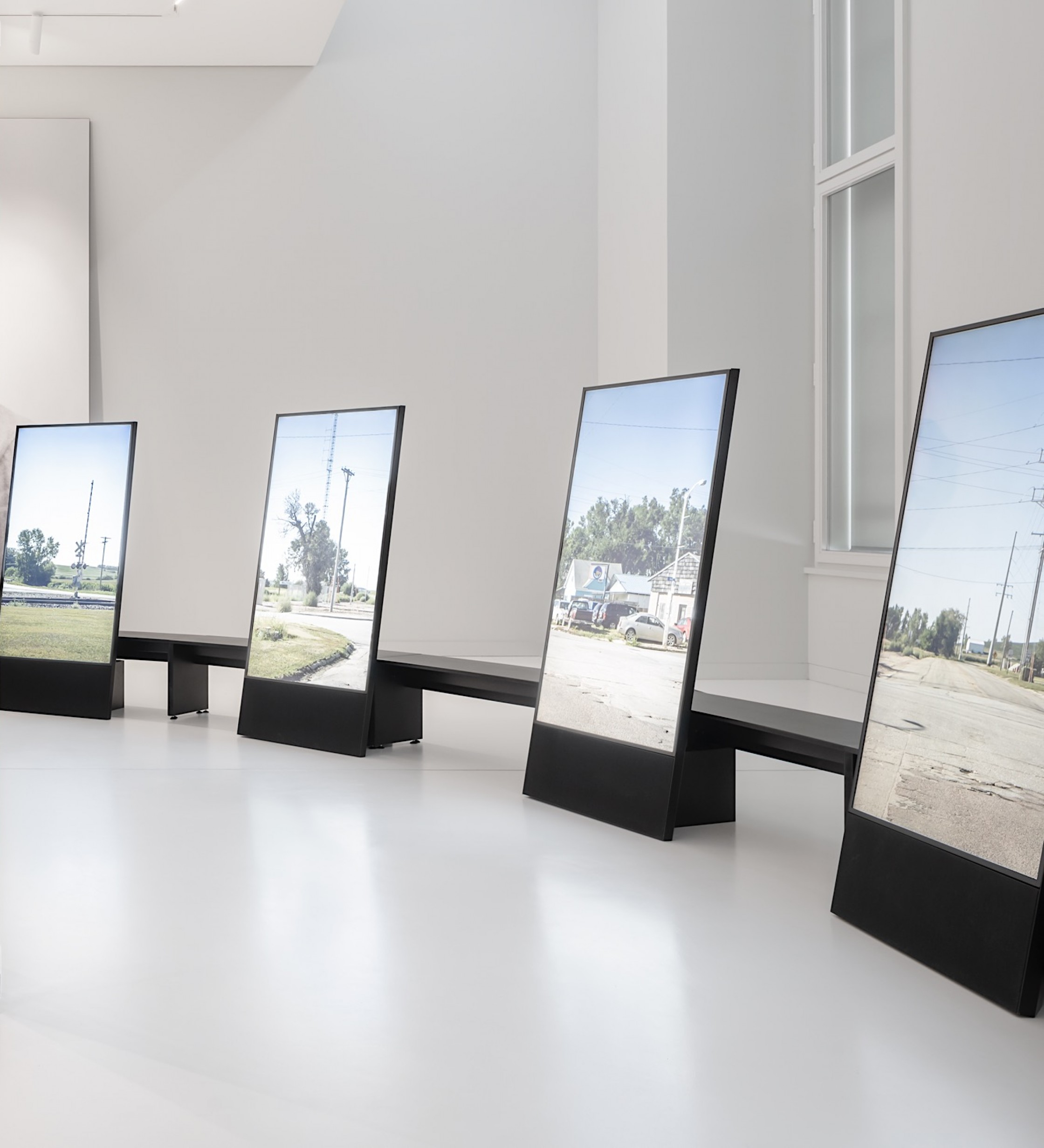
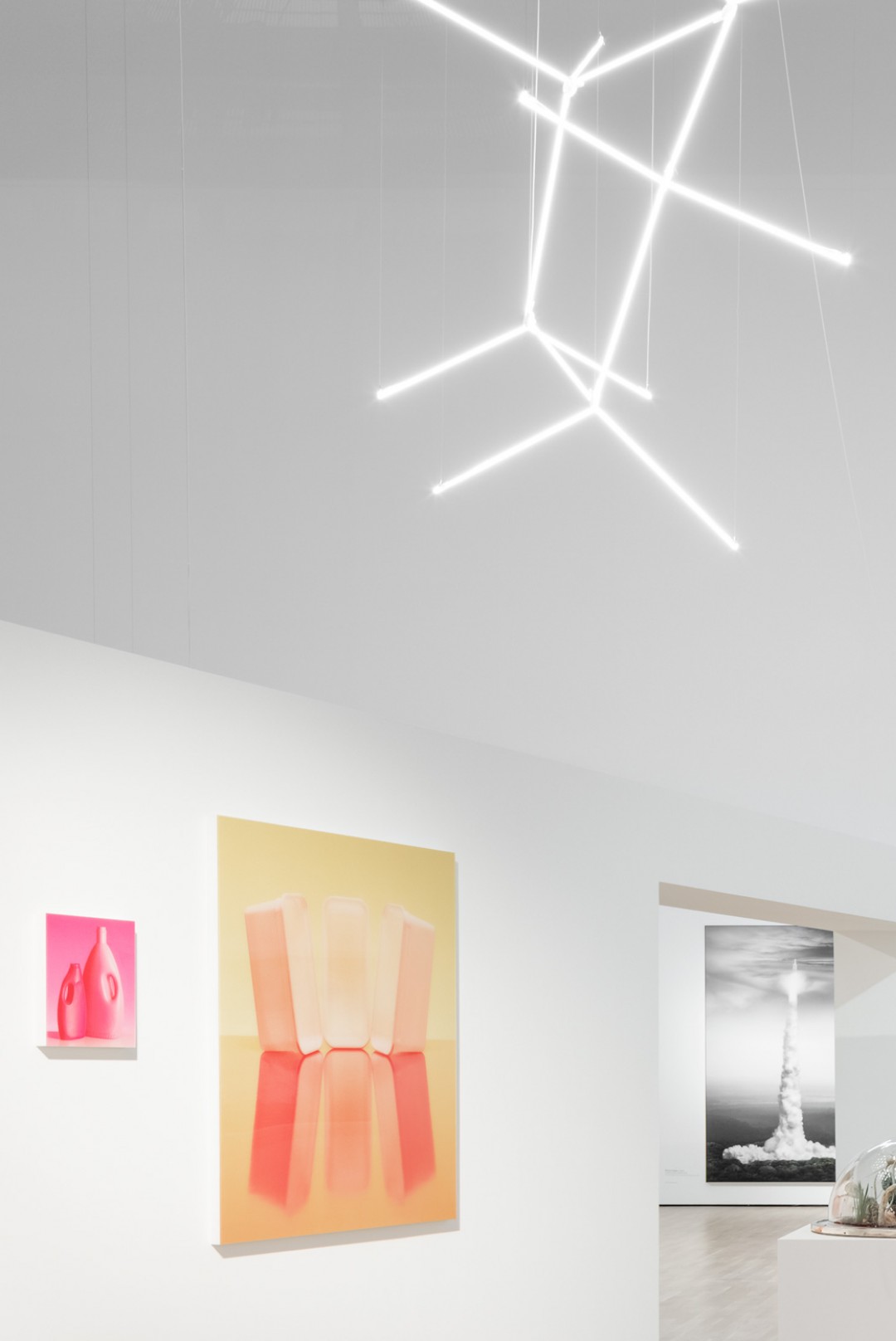
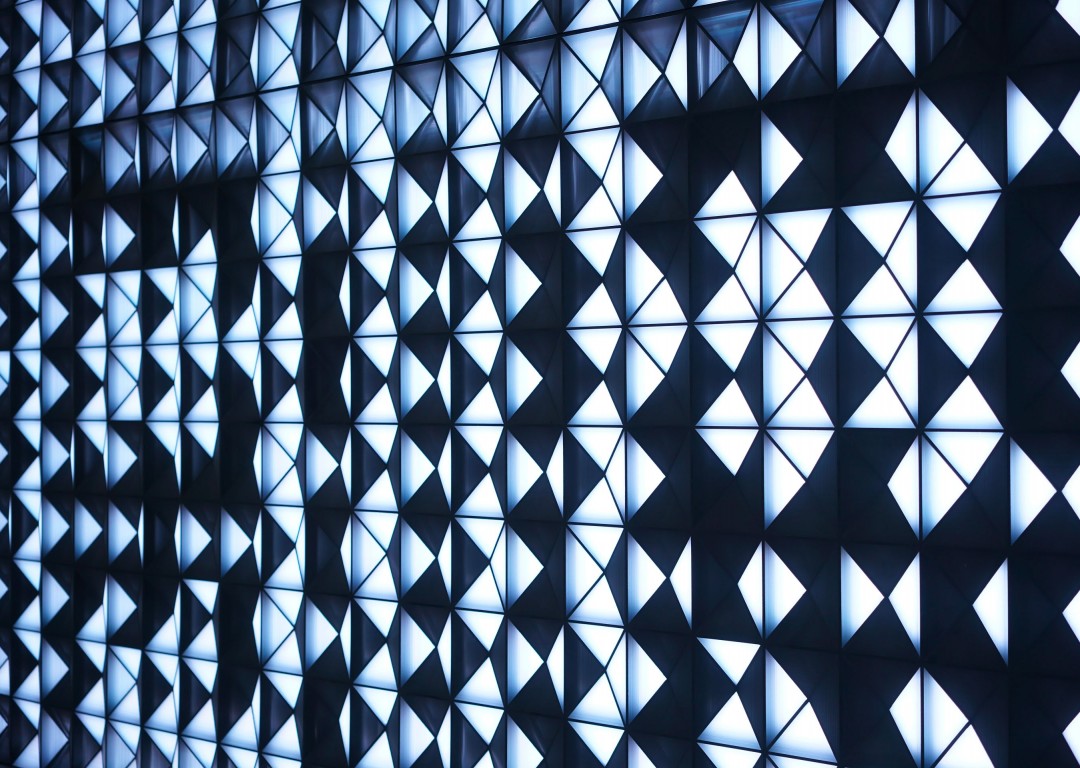
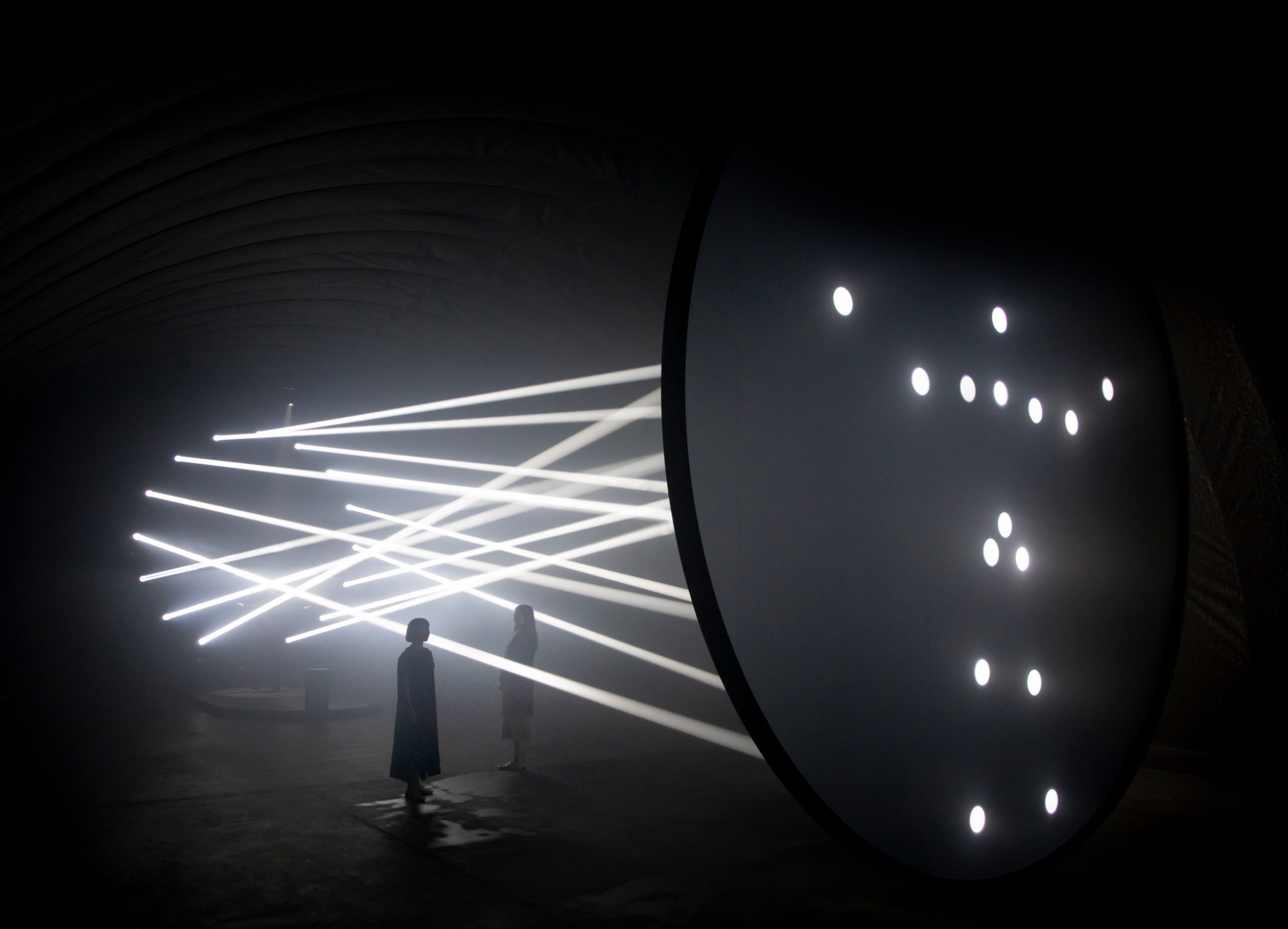
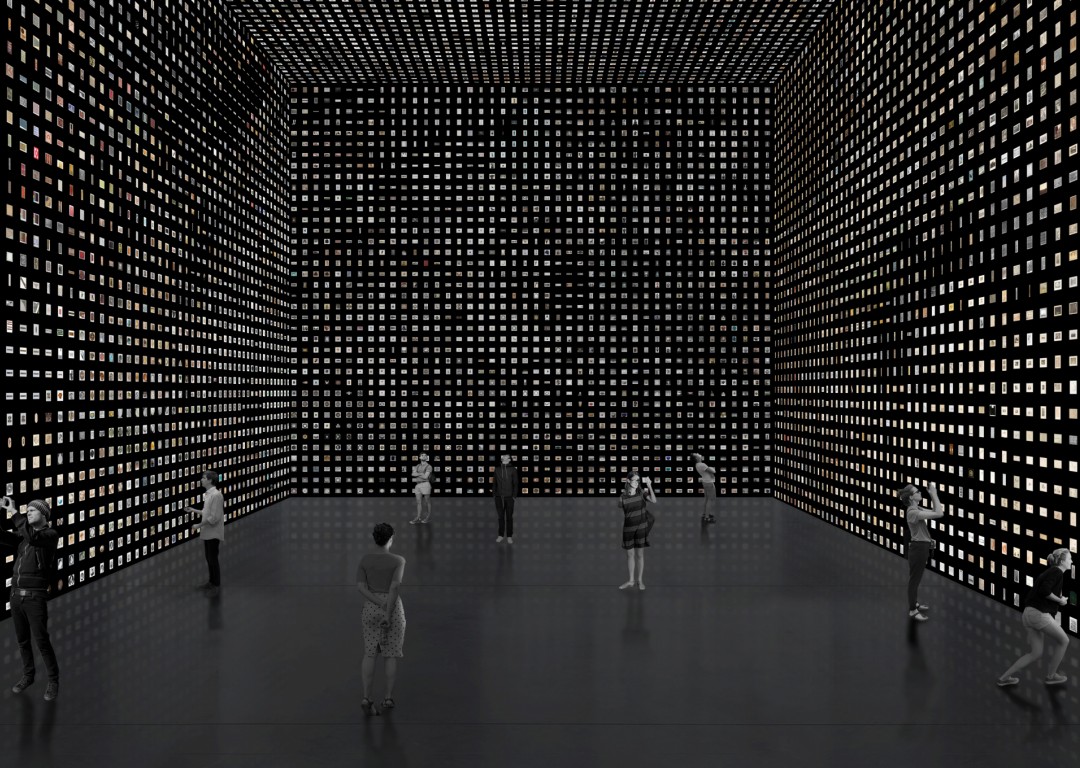
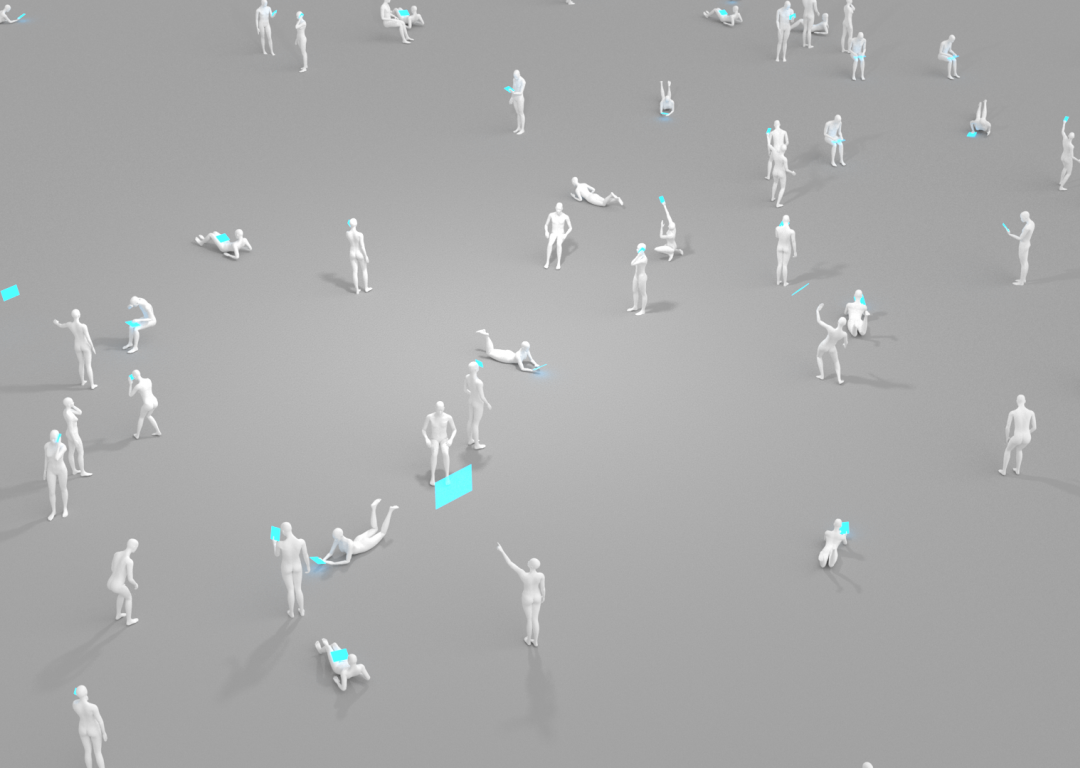
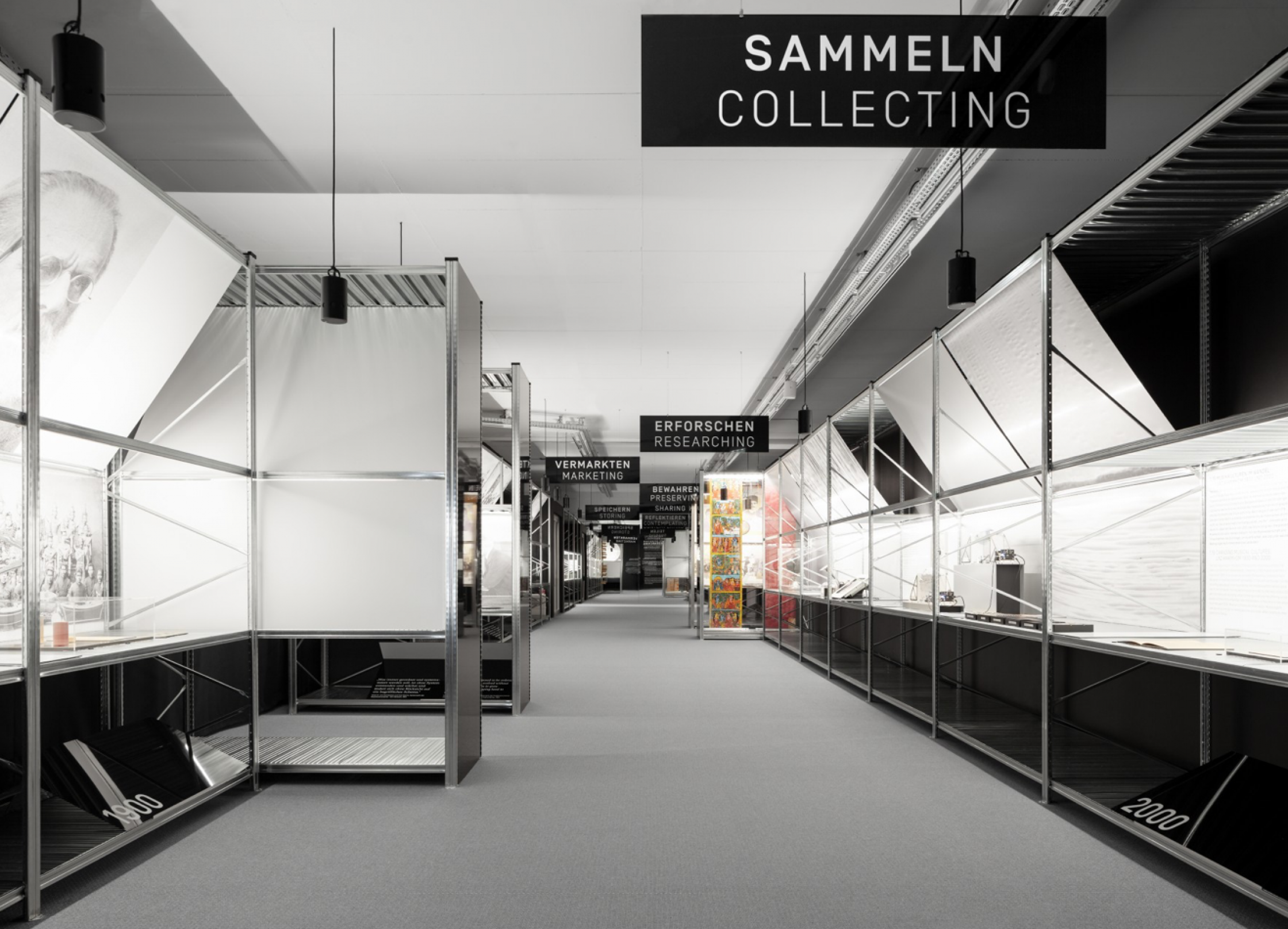
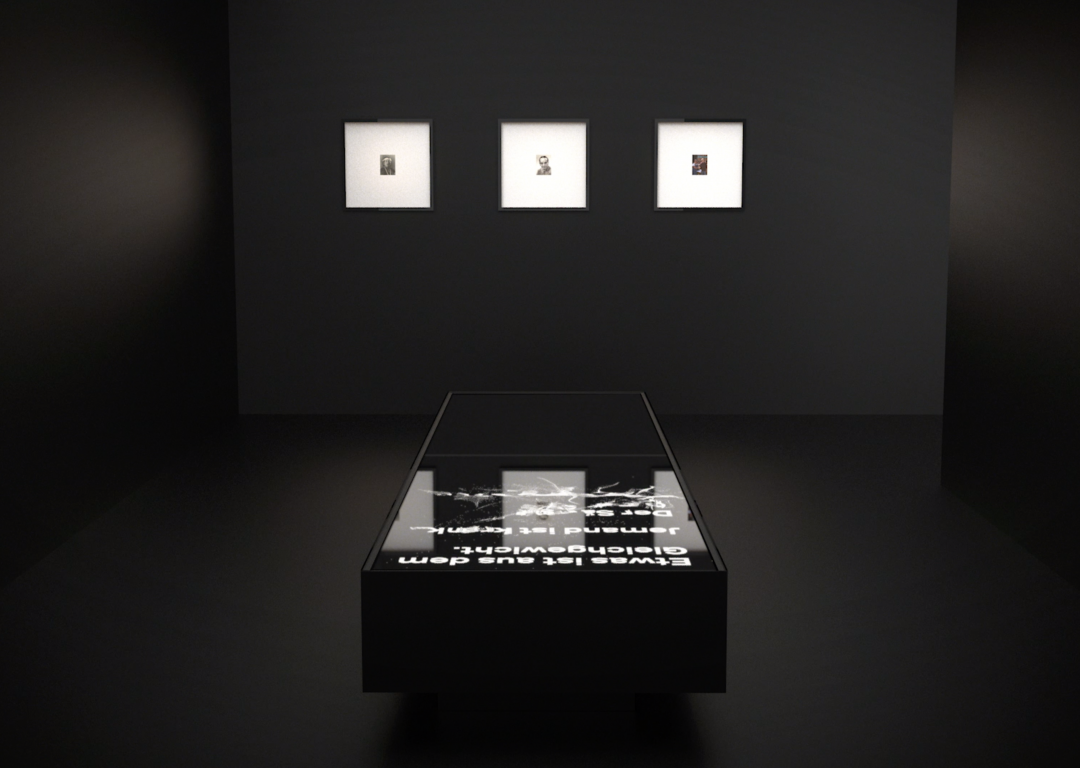
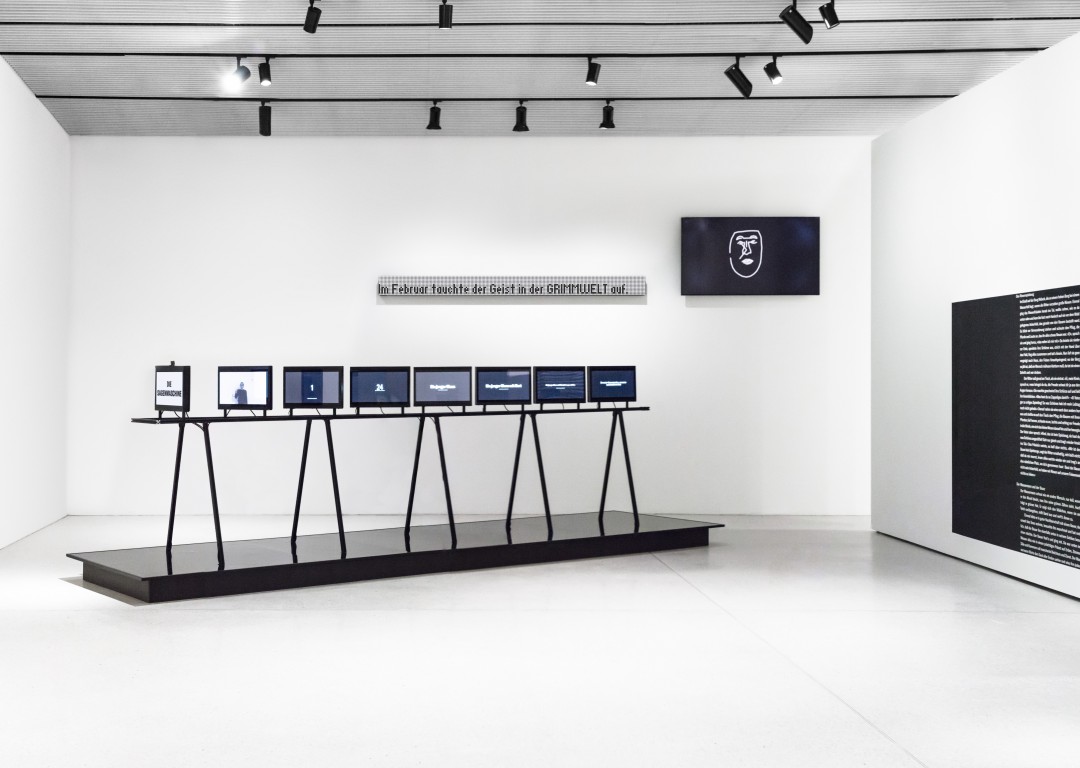
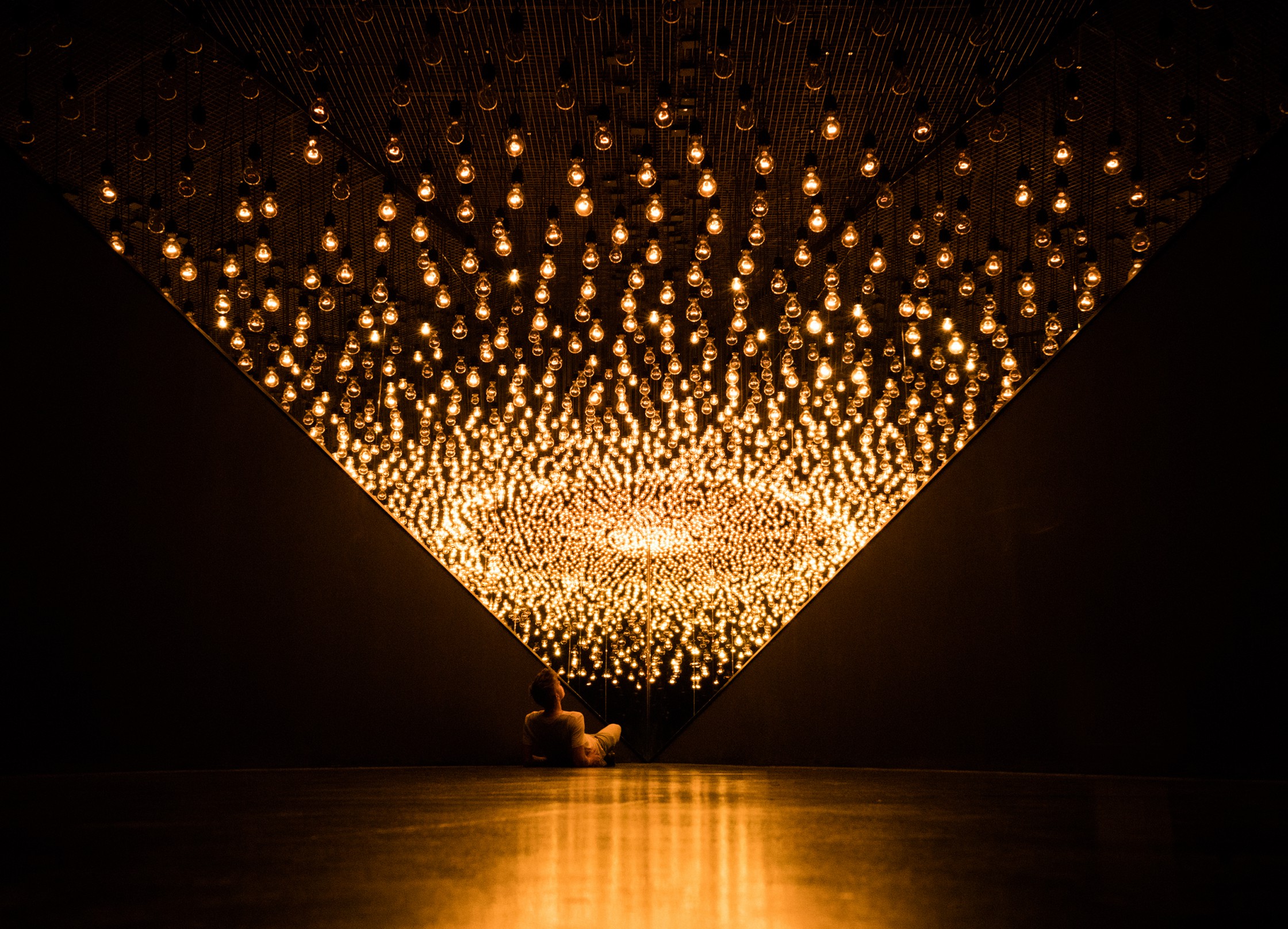
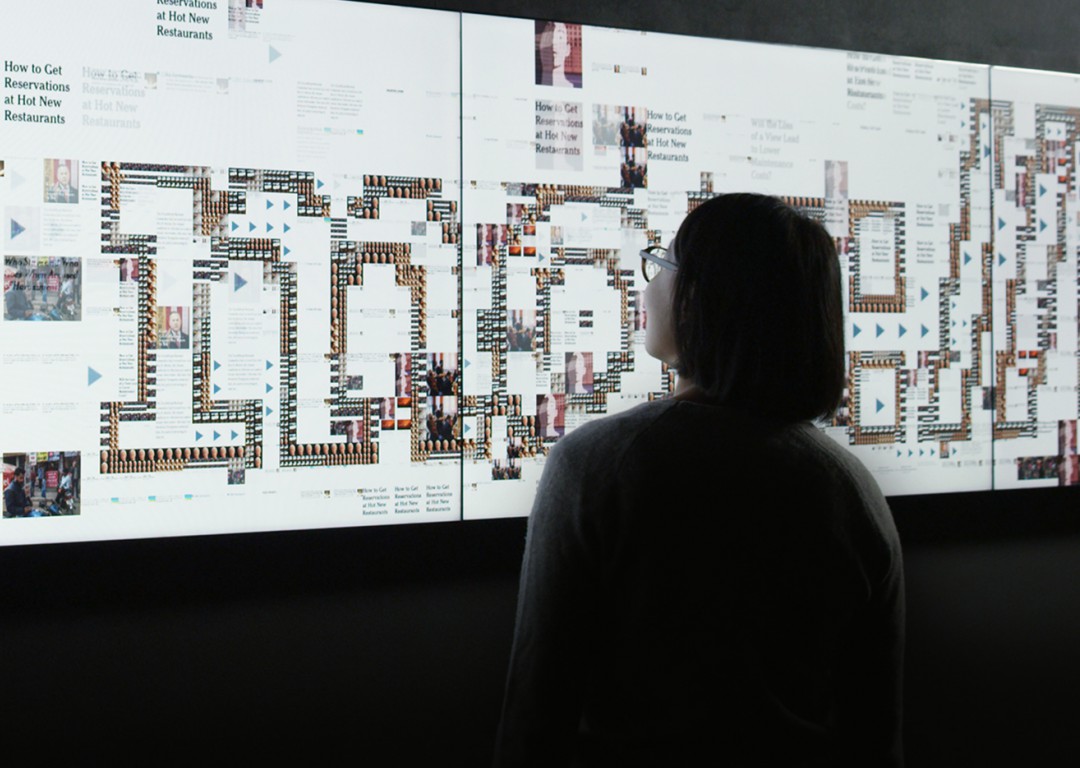
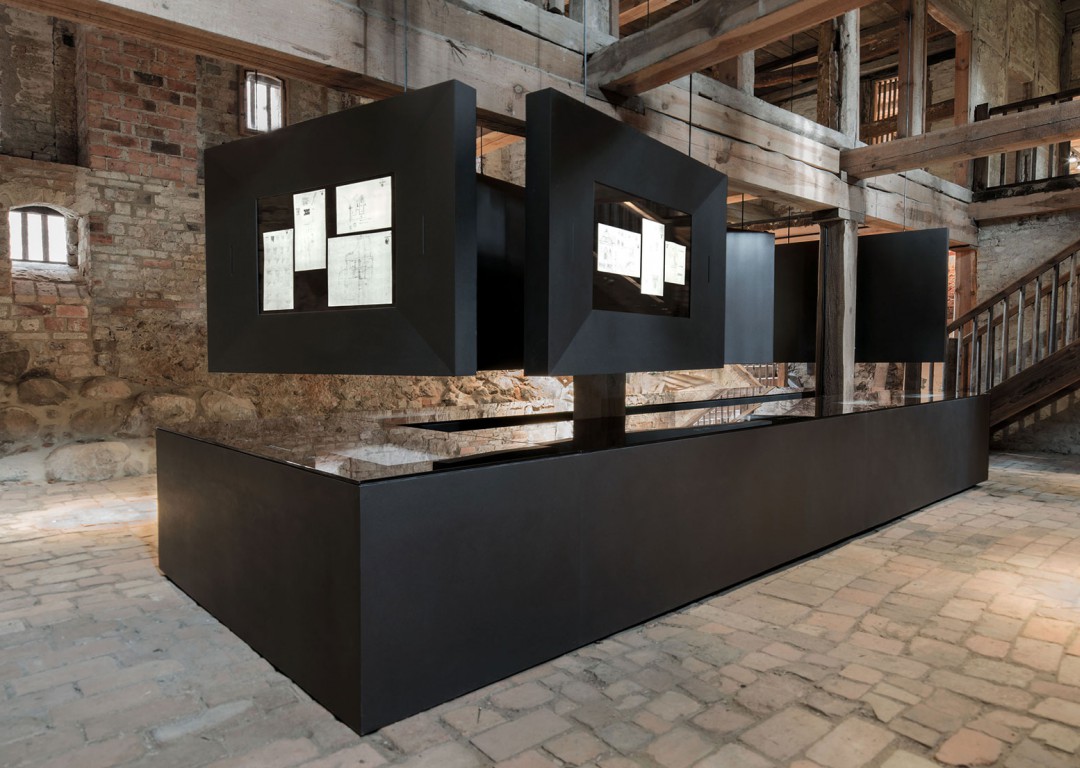
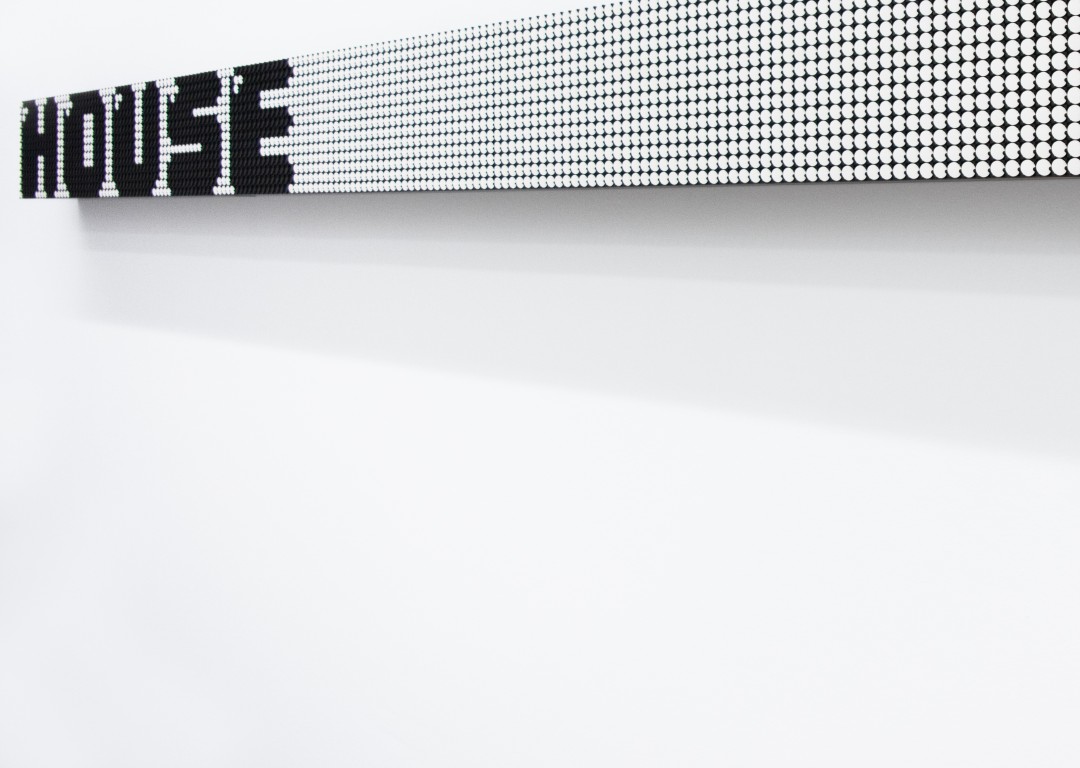
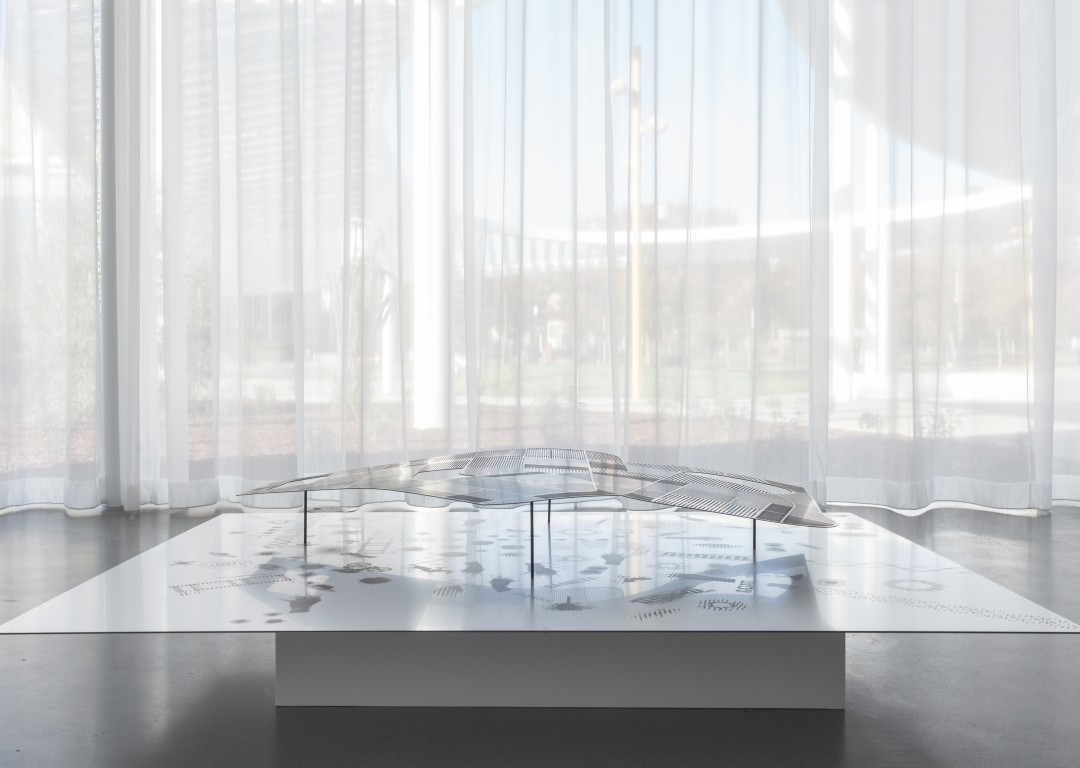
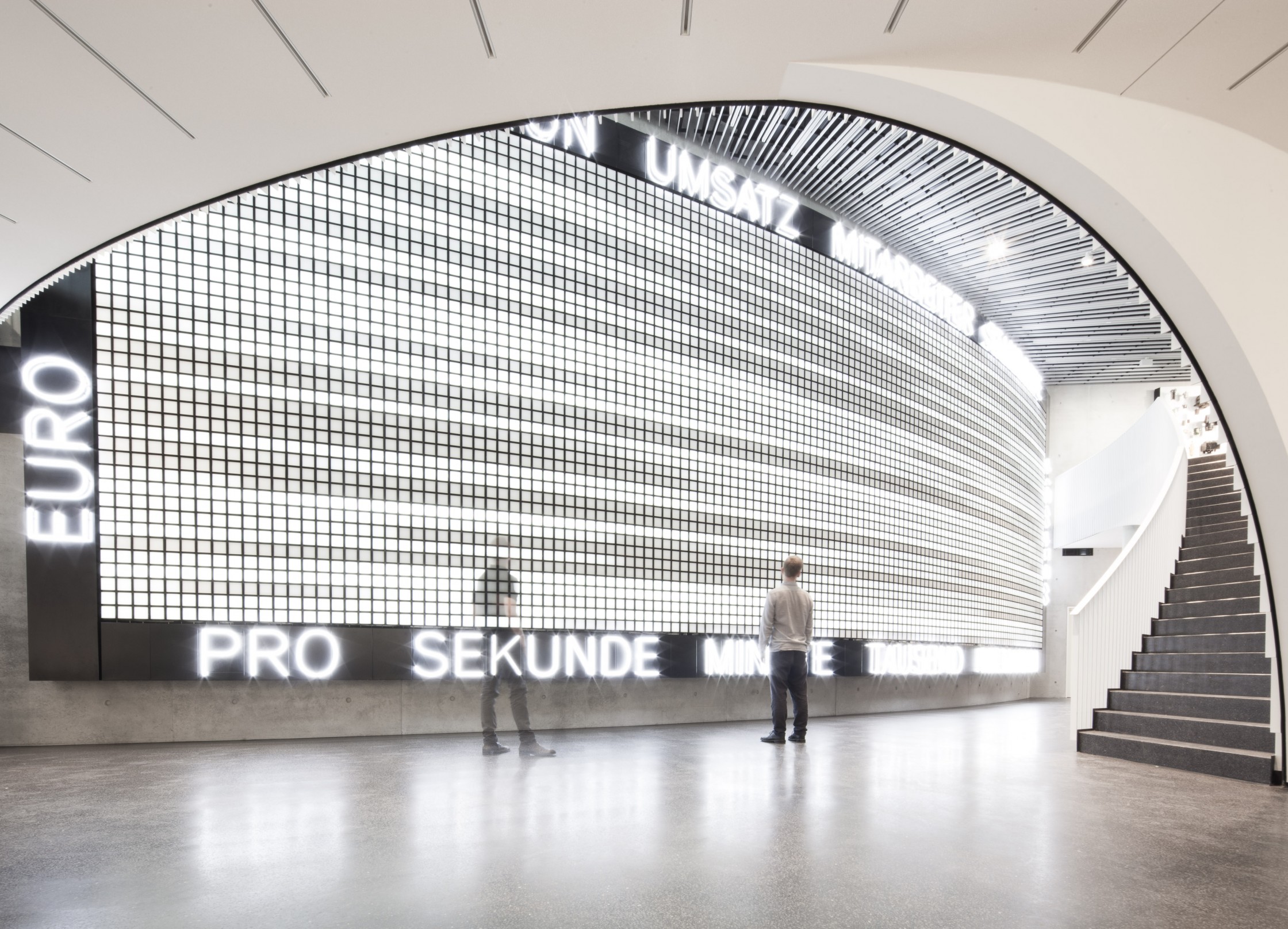
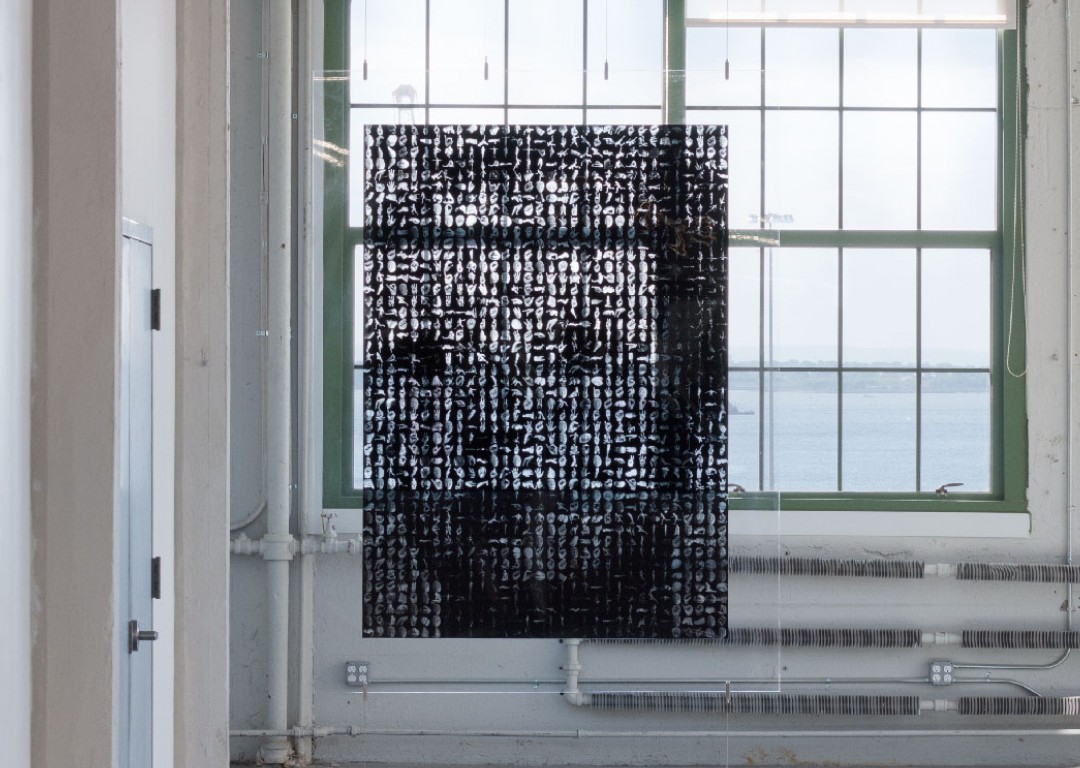
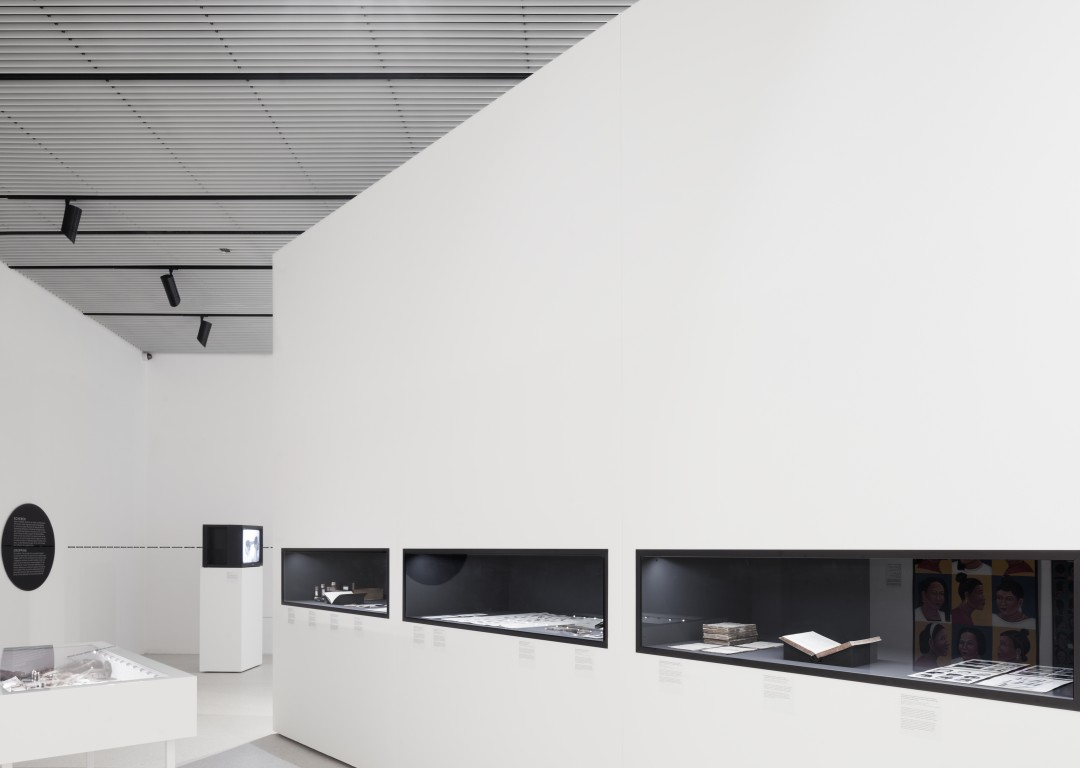
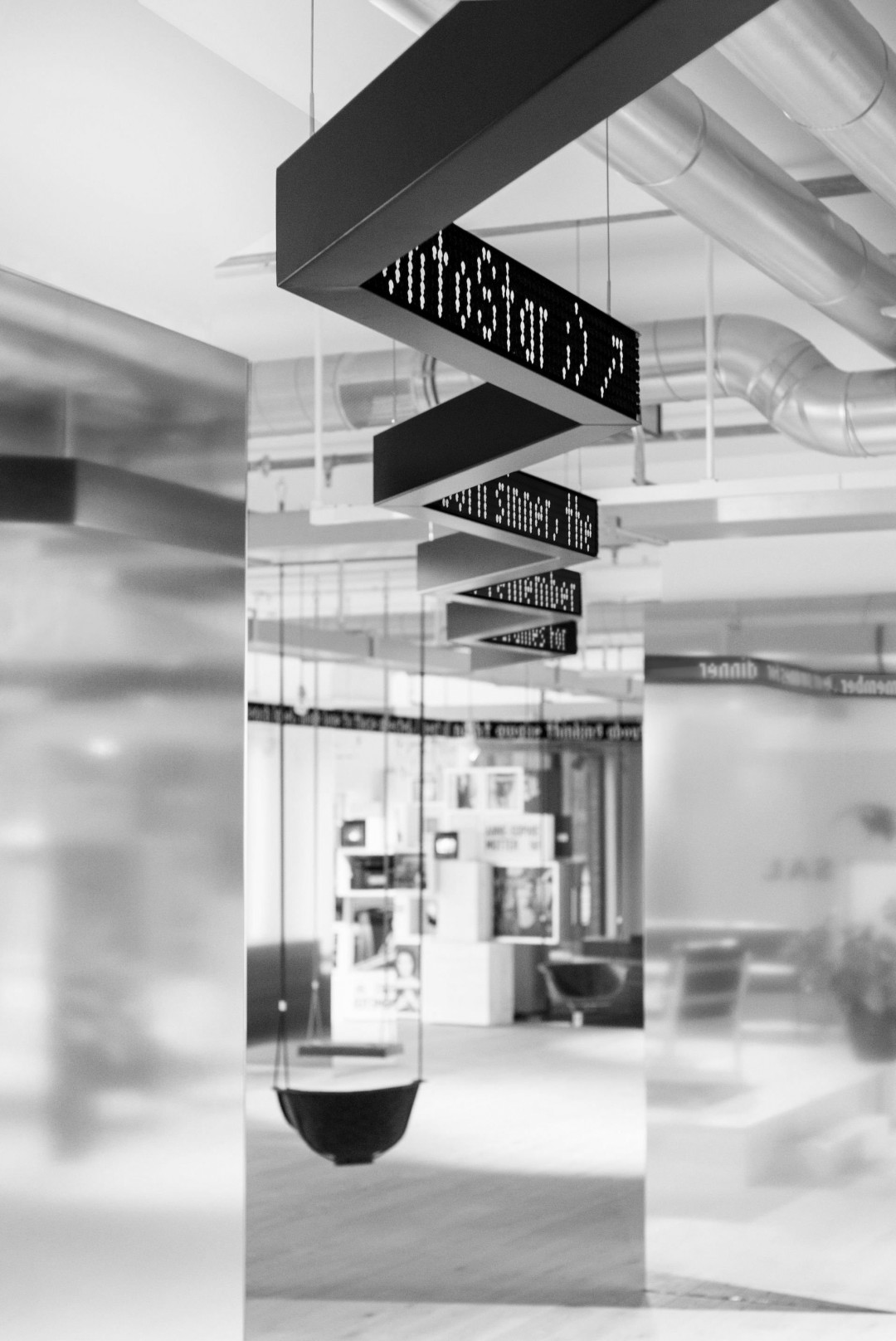
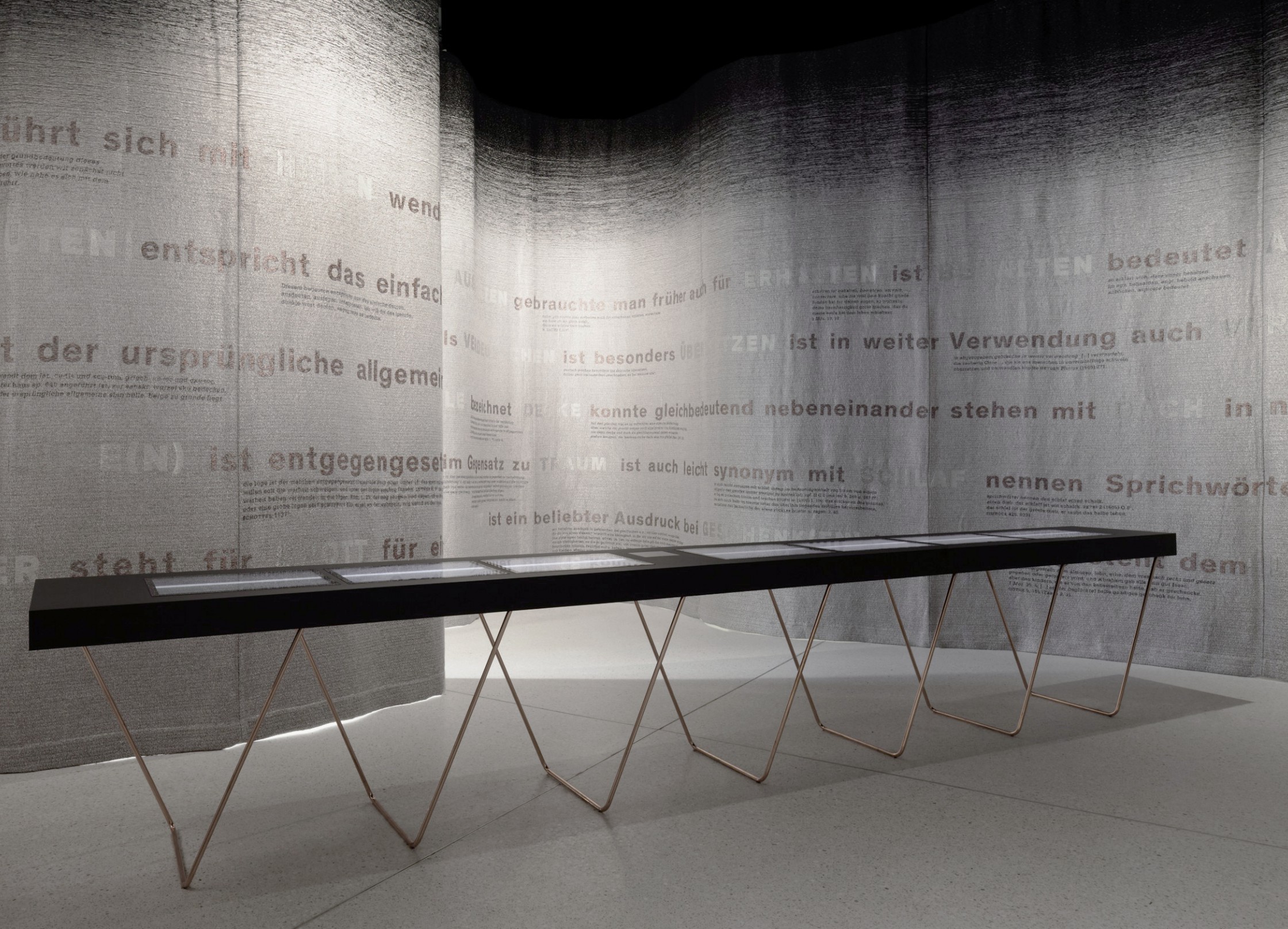
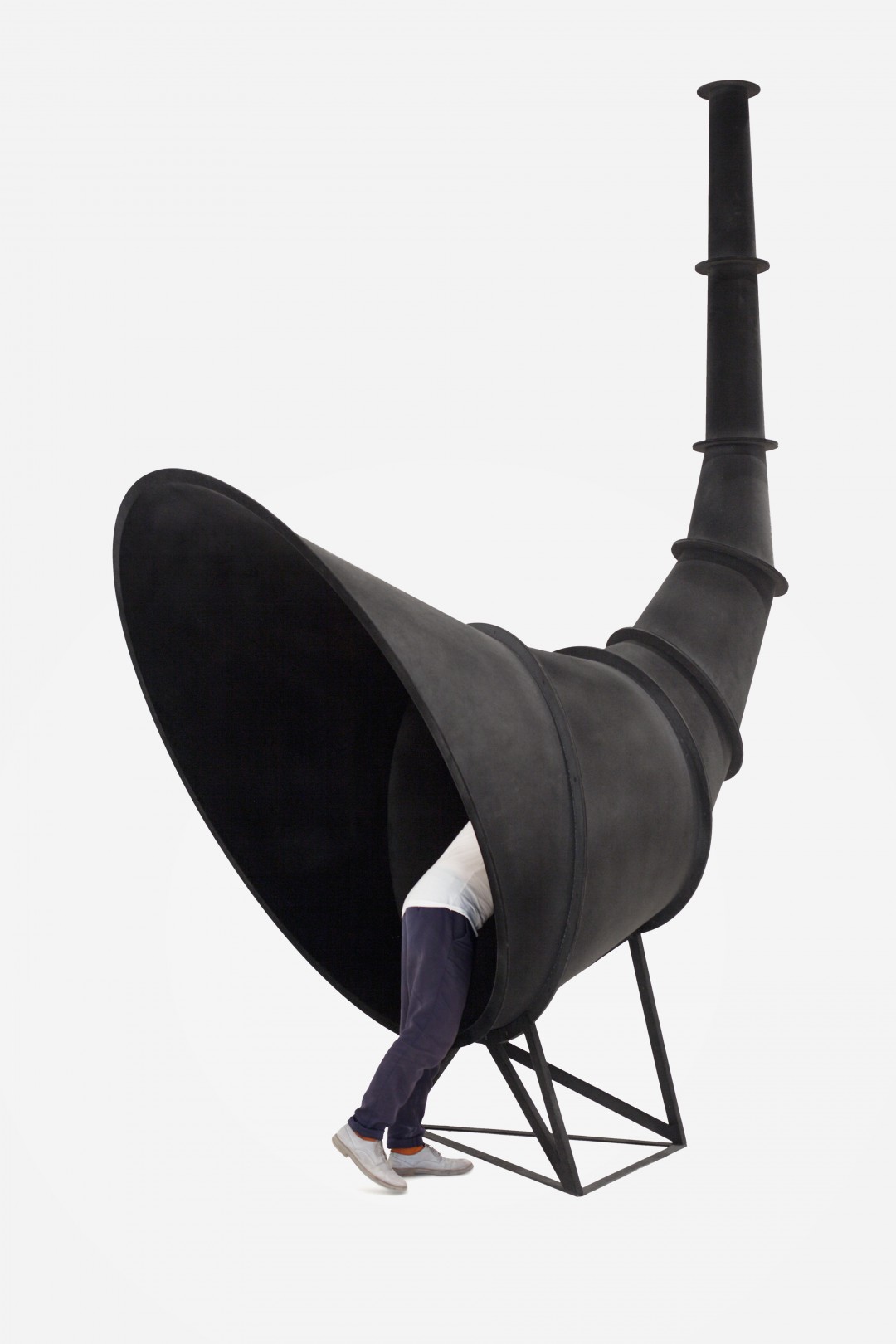
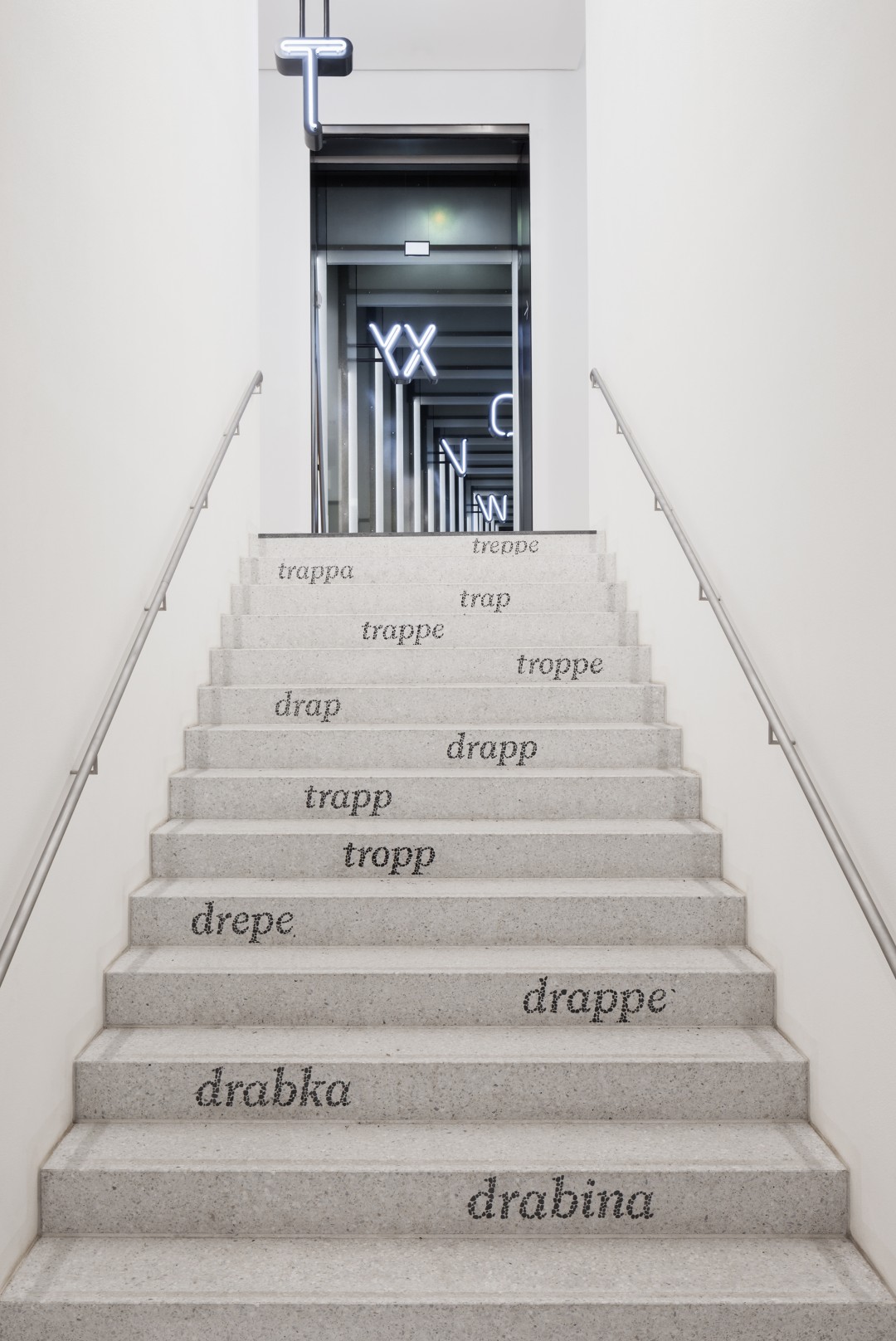
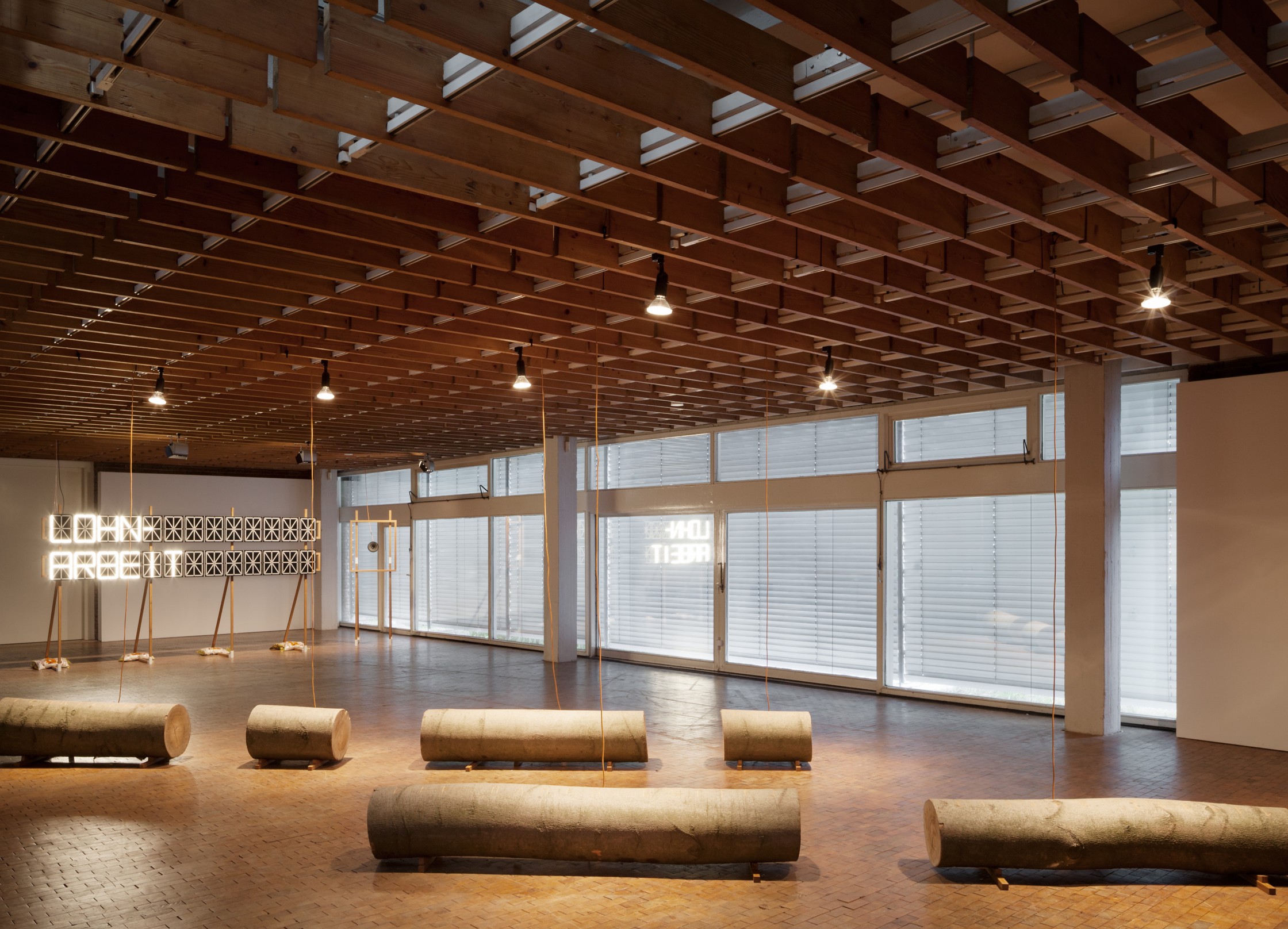
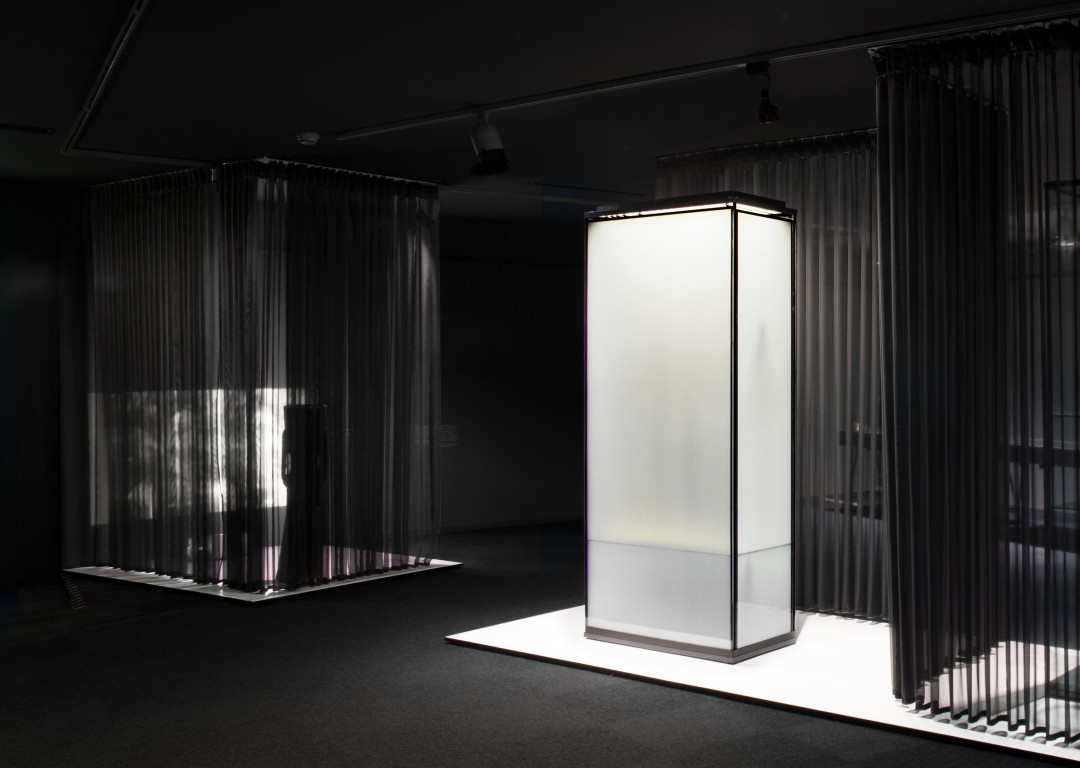
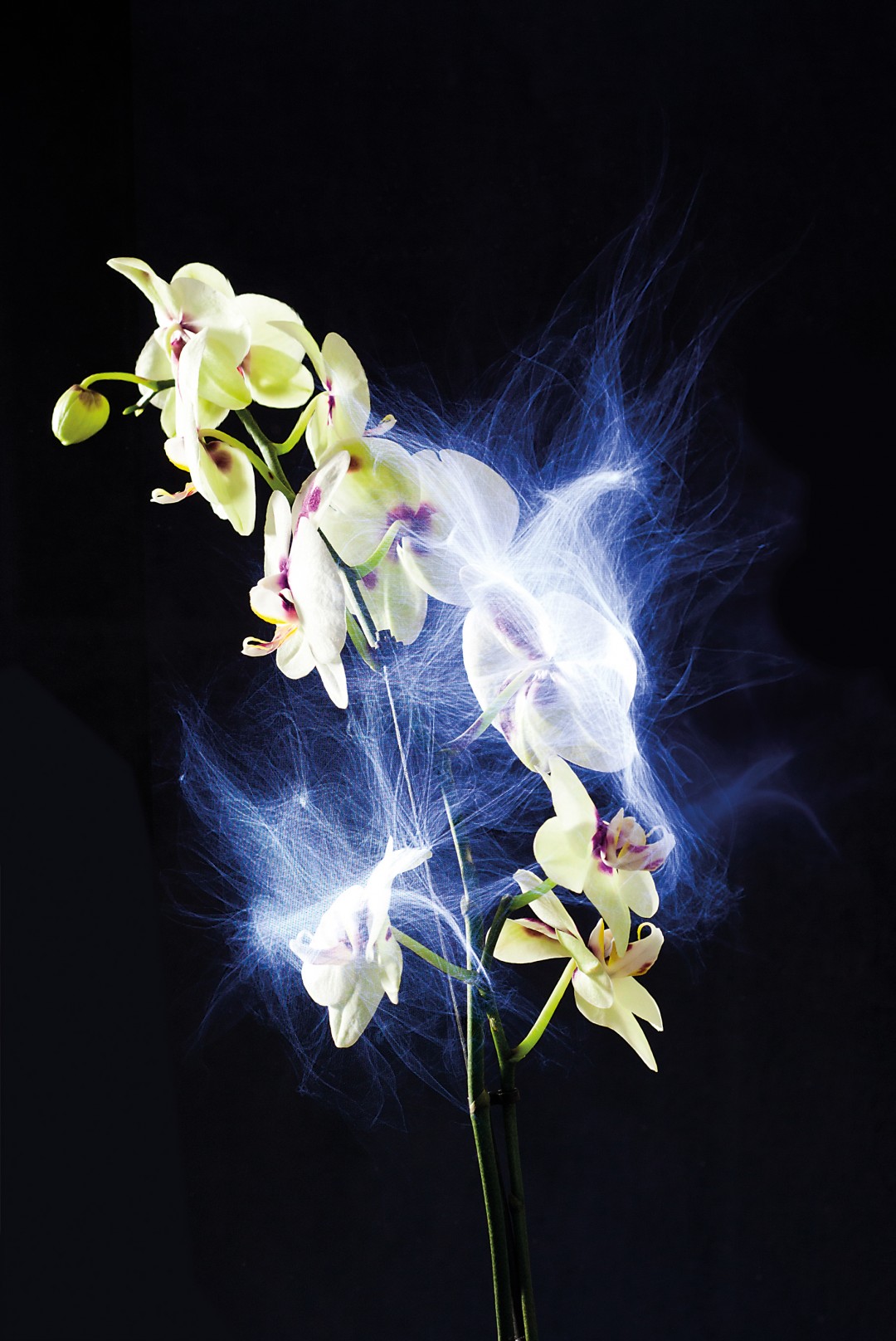
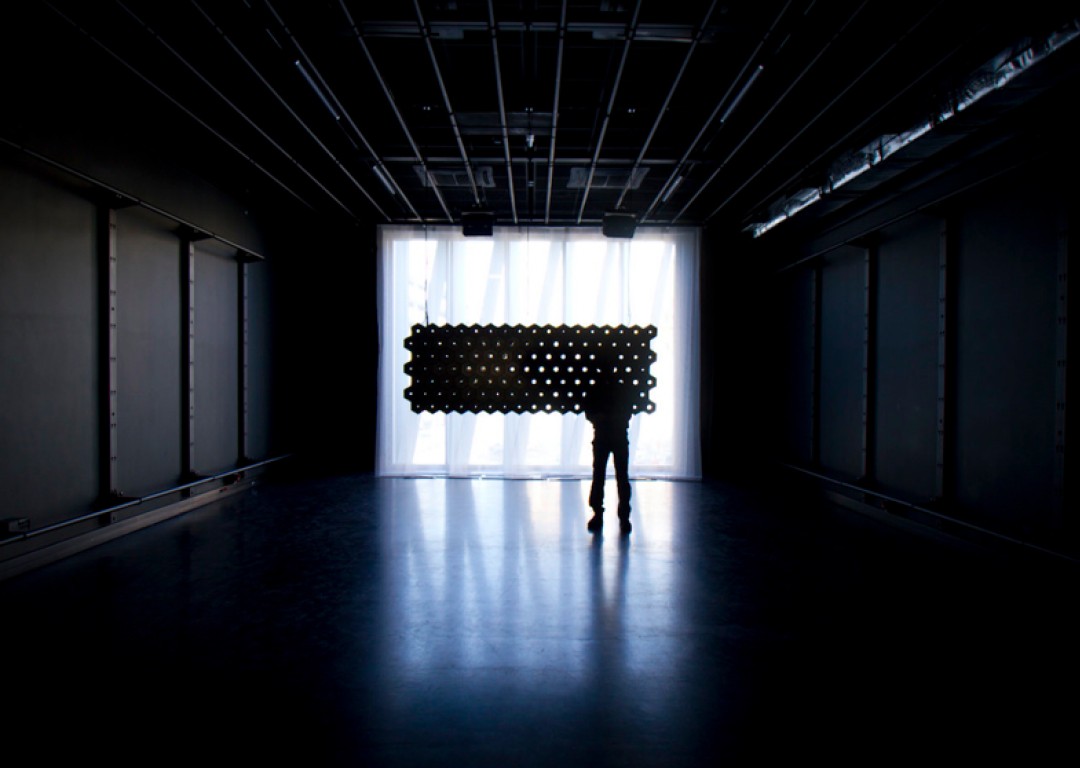
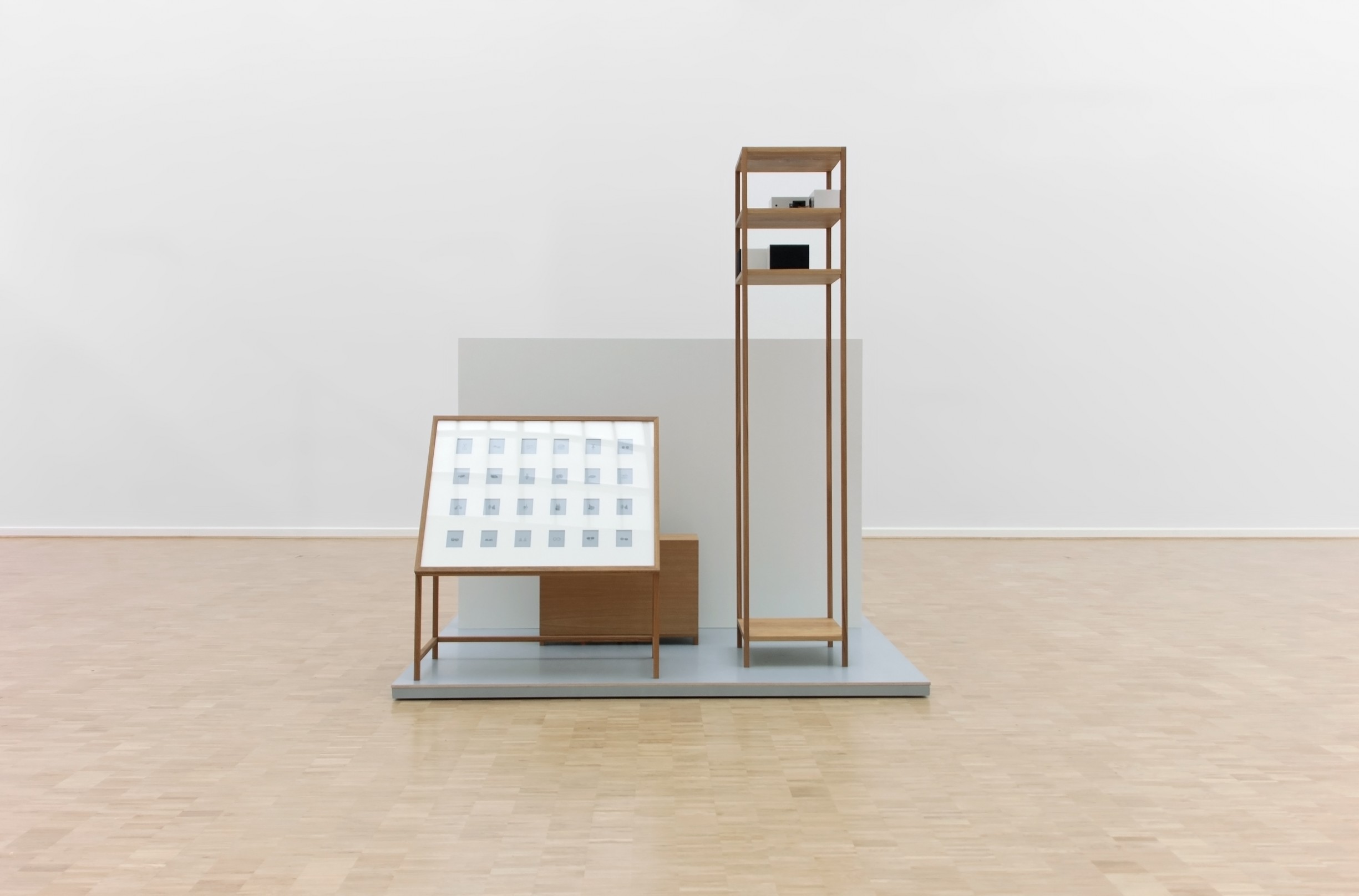
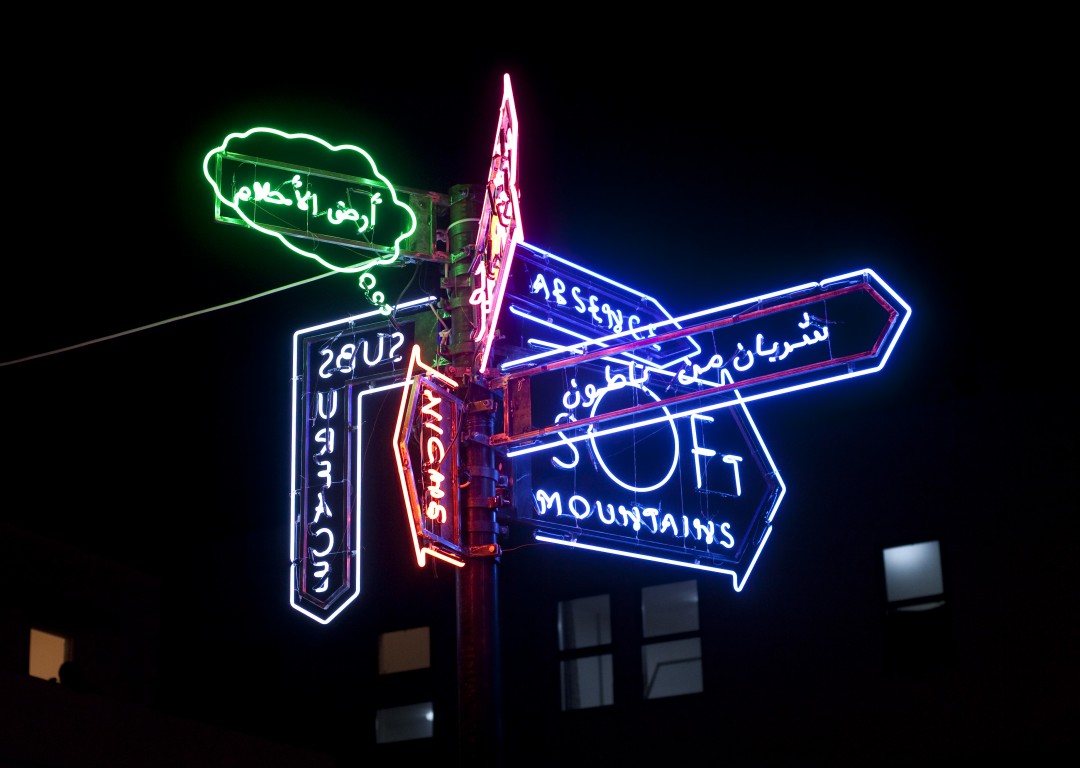
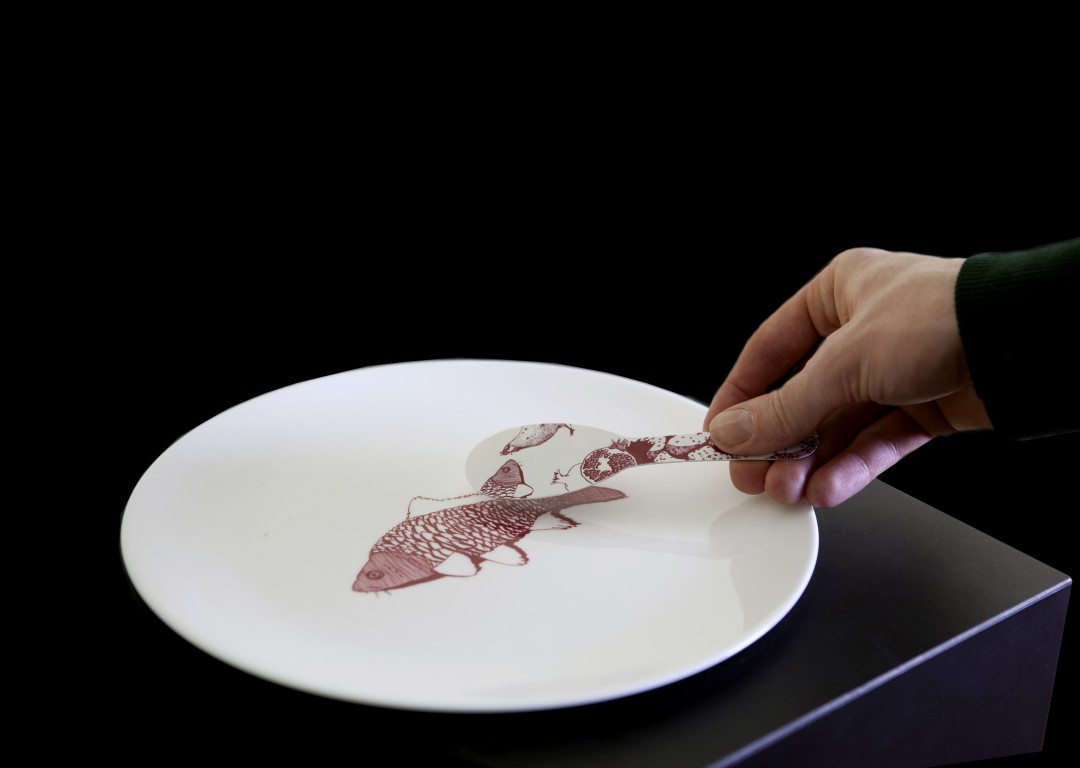
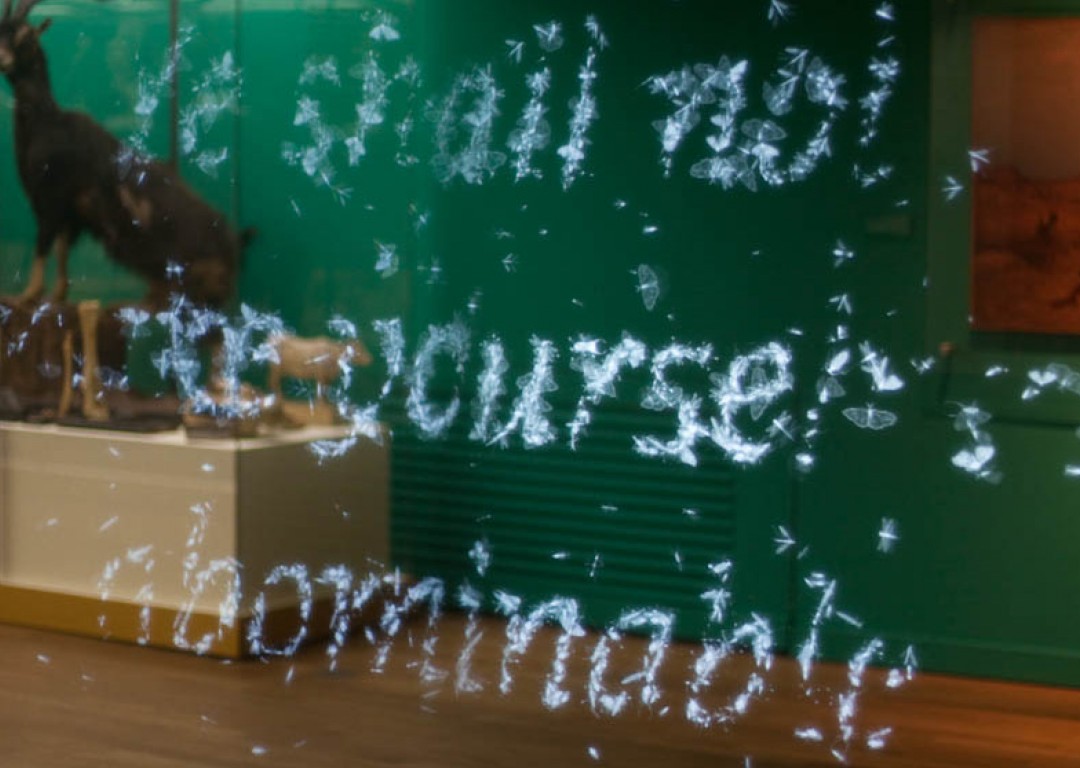
The exhibition “Infinite Images: The Art of Algorithms” at the Toledo Museum of Art reveals how some contemporary artists use mathematical principles, chance, and automation to design and work with generative systems. In generative art, the artist creates an automated system to produce the artwork. This might be written instructions for others to follow or a computer program. In the process, they give up some control over the end result. The artist creates the rules, and the system generates the outcomes. This approach, whether analog or digital, enables the artist to experiment with multiple variations within a set of defined constraints—often yielding unexpected results.
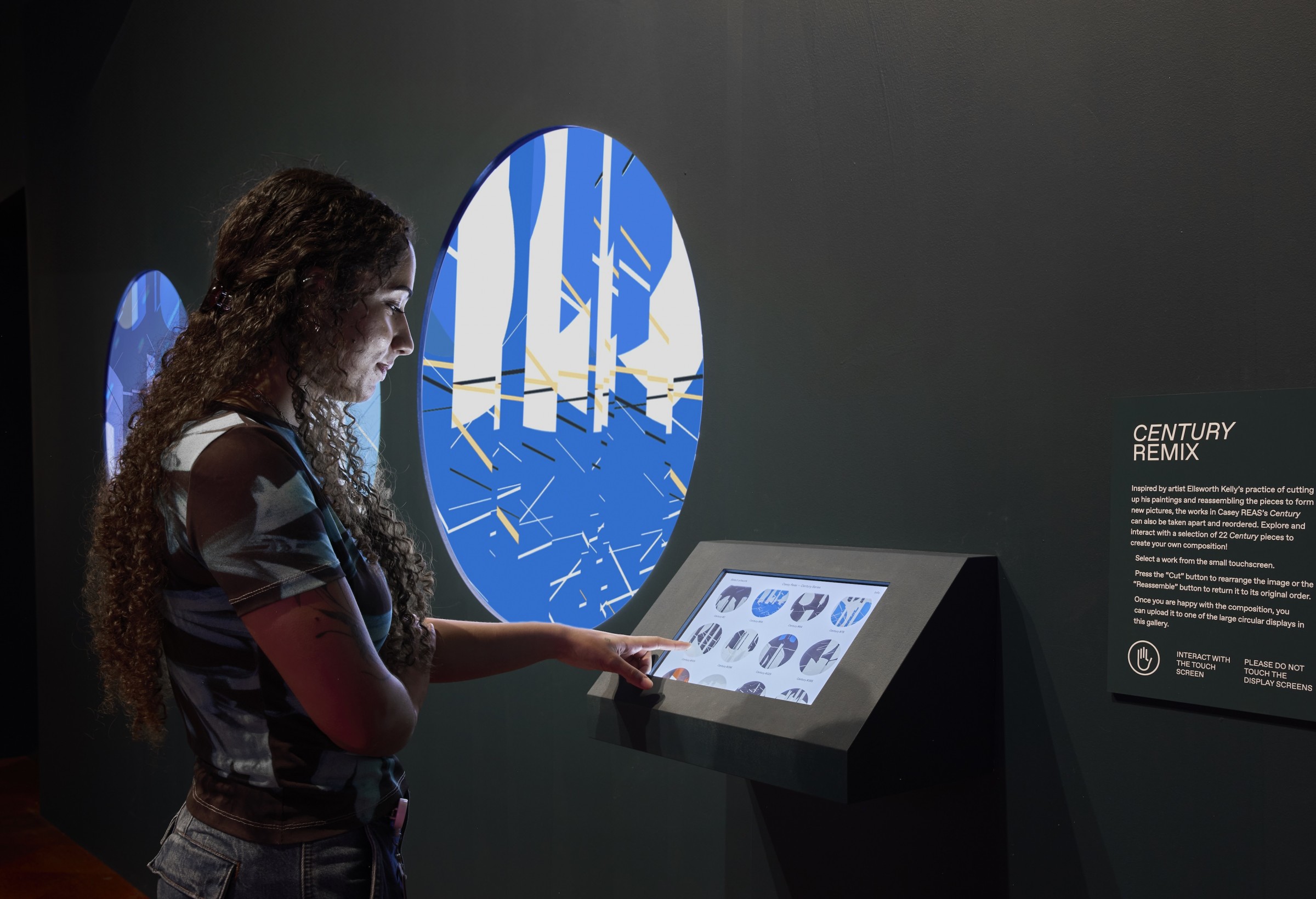
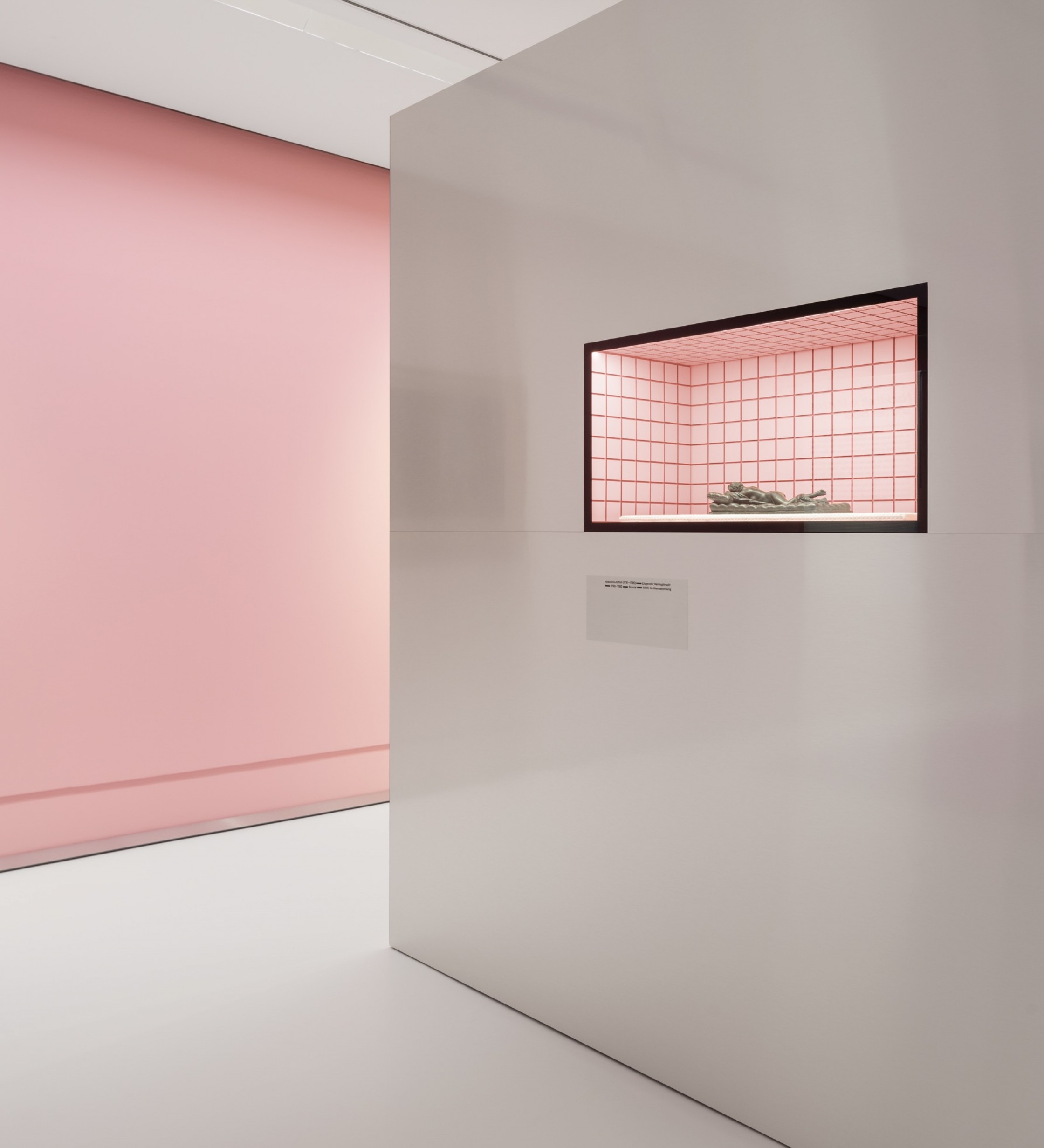
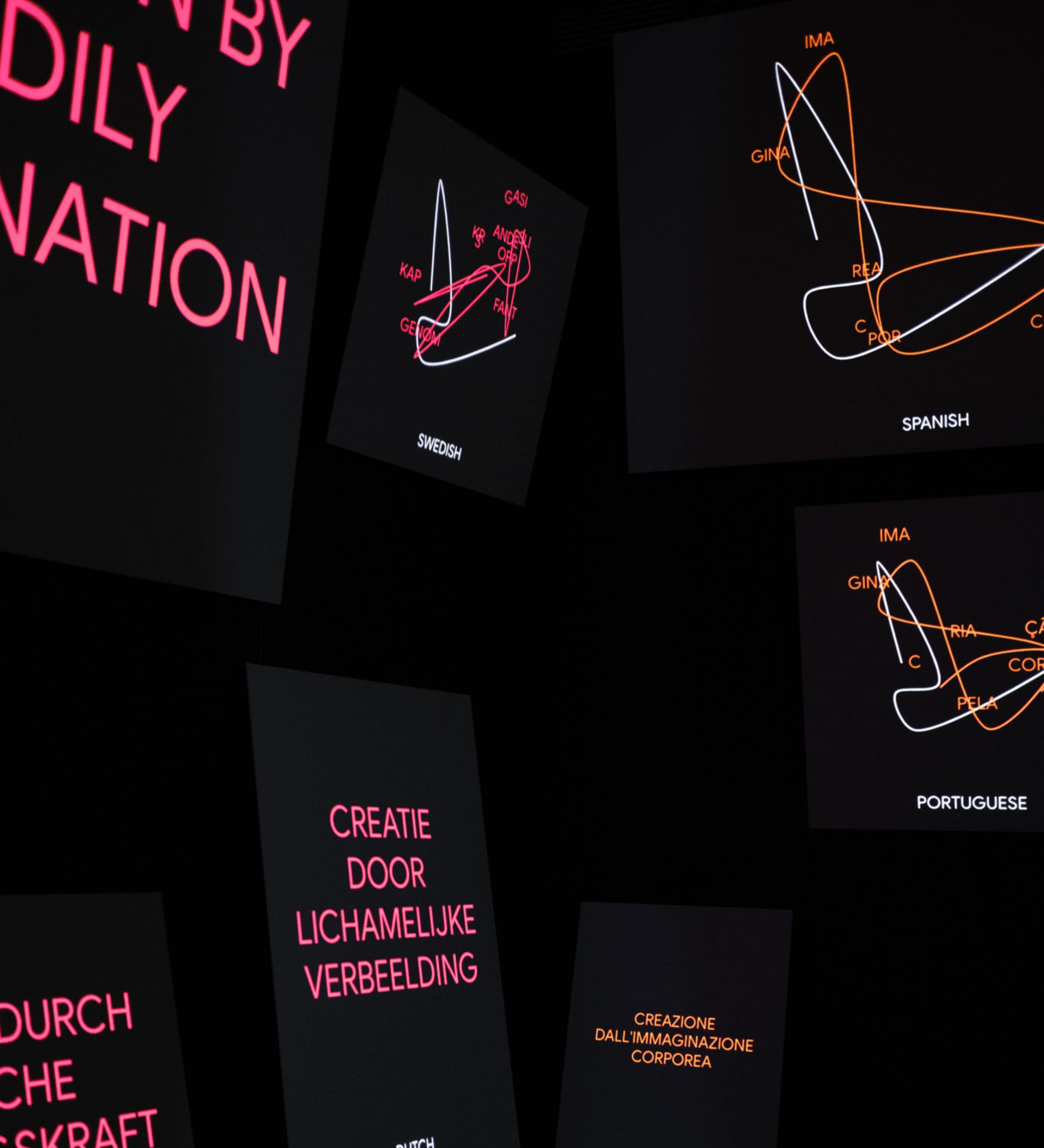
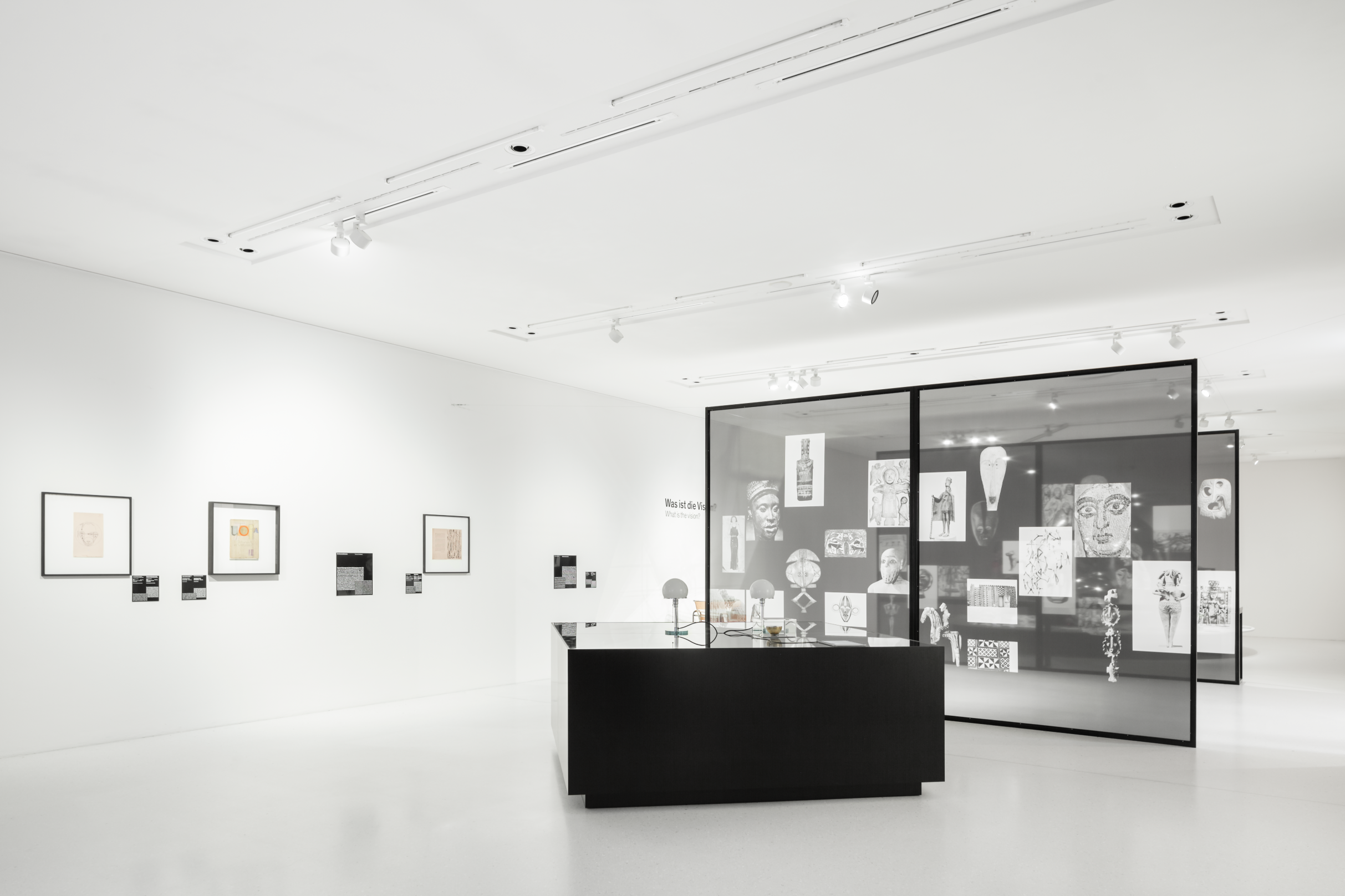
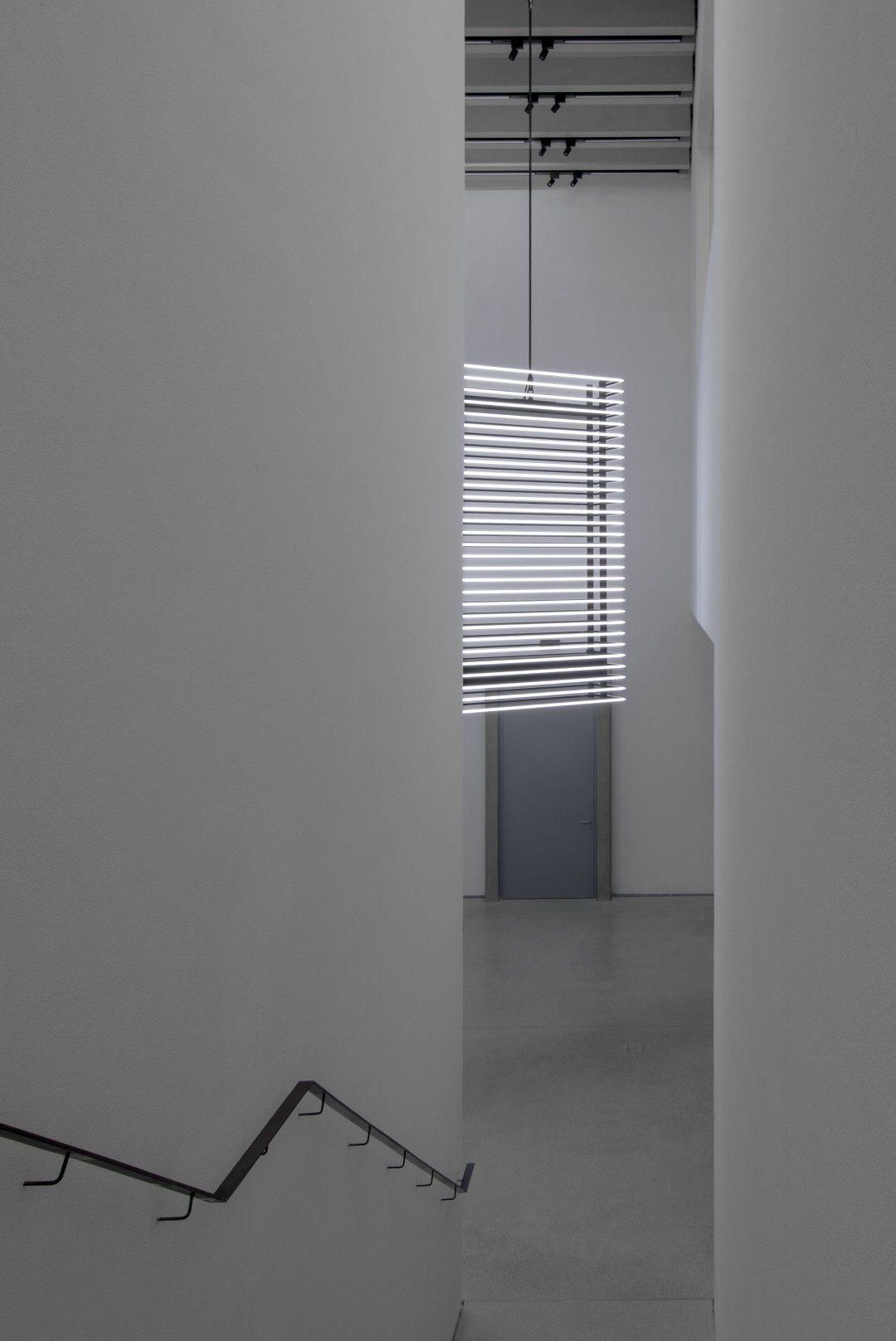
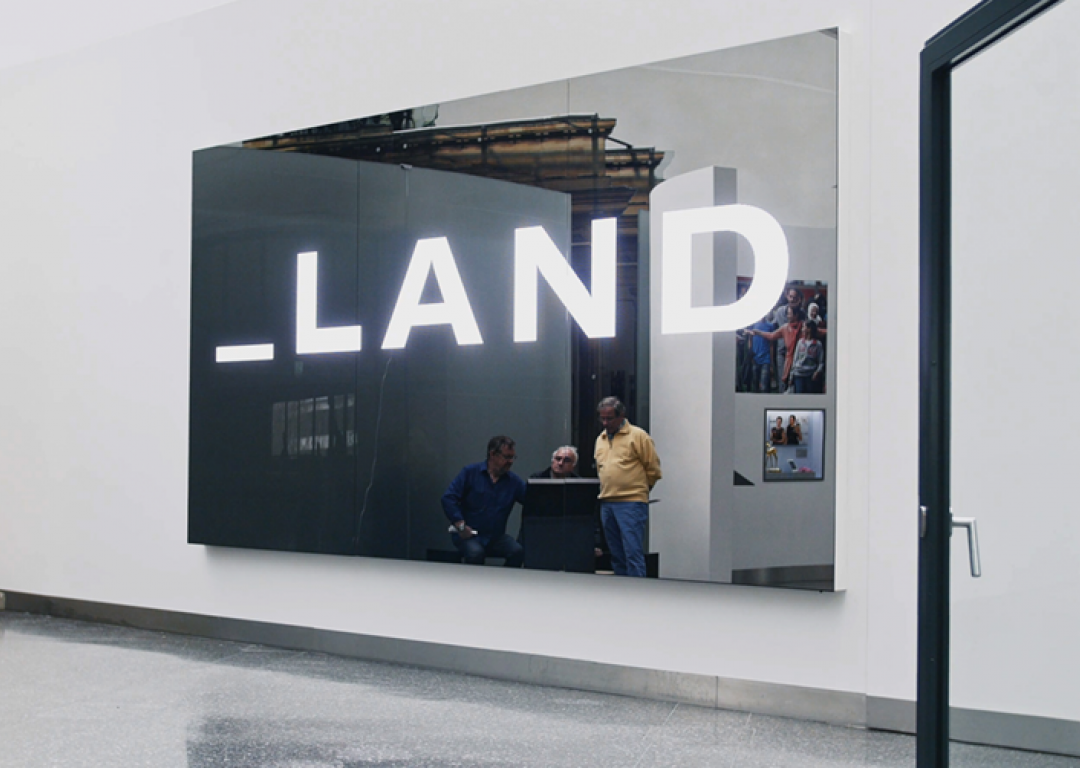
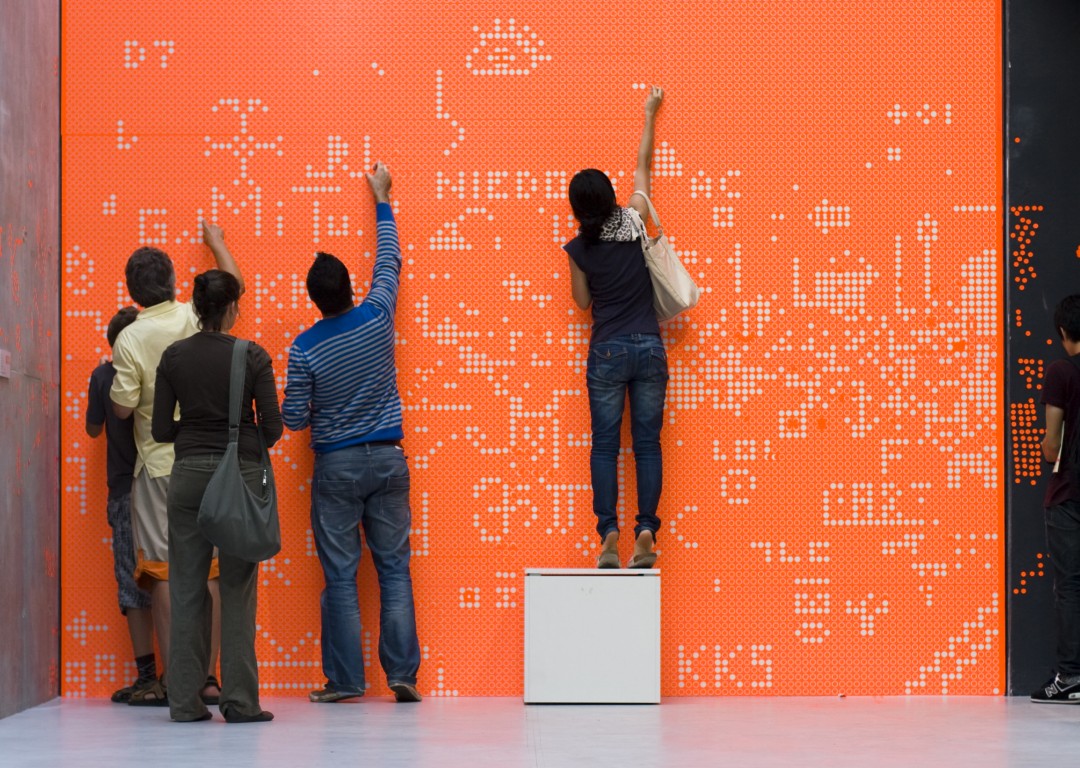
Spanning from early experiments in computer art to contemporary algorithmic aesthetics, the show highlights the evolution of image-making in the digital age. The show includes printed works by pioneers of rule-based art such as Sol LeWitt and Vera Molnár, generative and digital works by artists like Dmitri Cherniak and Emily Xie, and interactive, screen-based installations by Casey Reas and Tyler Hobbs. The design concept considers the gallery spaces as a “space of computation” that seamlessly integrates digital works into the exhibition flow and every display and interaction technology is carefully considered and designed. In addition to the spatial and digital design we developed a computational visual identity, signage and website design, as well as a bold entrance experience.
Curation: Julia Kaganskiy
Creative Direction: Richard The
Design: Saralee Sittigaroon, Ardak Mukanova, Frédéric Eyl, Dalma Földesi
Technical Director: Ben Bojko
Creative Technologist: Arden Schager
Fabrication: Bednark
AV Integration: TCI
Print Production: Laumont Photographics
Photography: Matthew McNulty
Video: Step Brothers Media
Web Development: Kunal Jain